A TFT display module shows clear and bright images on devices. Each pixel is managed by a thin-film transistor. This control helps you change the brightness and color for each pixel. You get sharper pictures and quicker screen changes because of this. TFT display is better than old displays in contrast and color. Knowing how TFT modules work helps you pick the best display for your needs.
-
TFT display modules give you better image quality.
-
Advanced technology in TFT displays makes your device work better.
Key Takeaways
-
TFT display modules show very clear pictures with bright colors and less blur. This makes them great for devices that need sharp images.
-
Each pixel in a TFT display has its own thin-film transistor. This helps the screen change pictures fast and look smooth.
-
People use TFT displays in smartphones, tablets, and medical tools. These screens are bright and easy to read, which makes using them better.
-
Picking a TFT display with high resolution and IPS technology helps colors look right and lets you see from many angles. This is good for games and watching videos.
-
TFT modules work well for a long time. But you must be careful not to drop them or have power problems, or they can break.
What Is a TFT Display Module?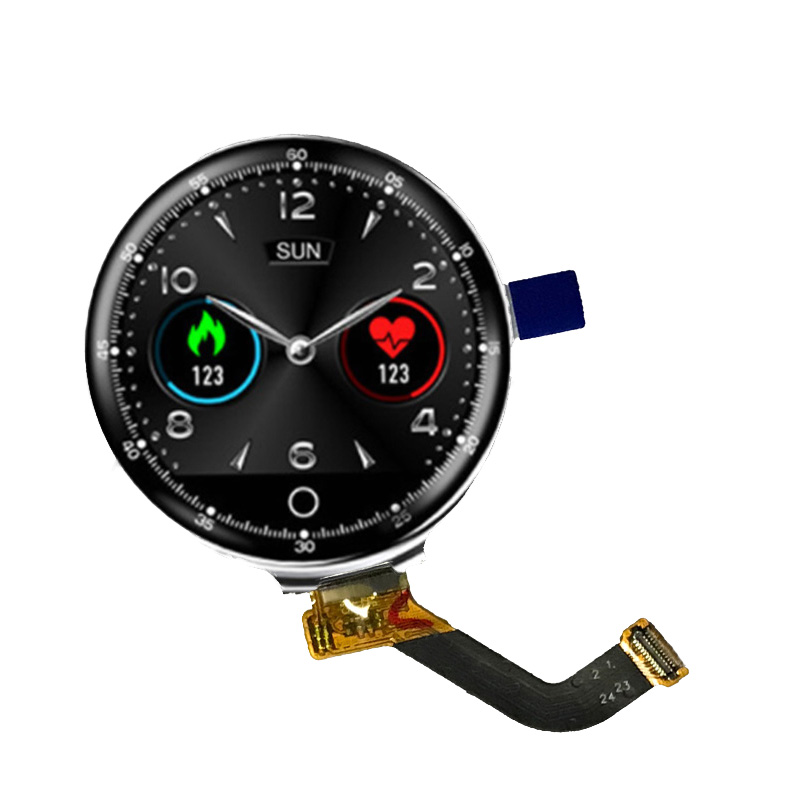
Definition and Basics
A TFT display module is a group of parts that shows pictures on your device. It has a liquid crystal display, connectors, control circuits, and a printed circuit board. There is also a backlight and strong parts to hold everything together. These pieces work as a team to give you clear and bright images. Thin-film transistors help control each pixel in the TFT display. This means you see sharp pictures, fast screen changes, and bright colors. Each pixel has its own transistor, so images stay steady and respond quickly. That is why TFT display modules are great for devices that need clear and steady screens.
Note: The active matrix design in TFT technology helps pictures move smoothly and colors look right.
Role in Modern Electronics
You find IPS TFT LCD modules in many things you use every day. Doctors use them to see medical pictures that are bright and clear, so they can make good choices. You use your phone or tablet with a TFT display, which lets you tap and swipe quickly. In cars and factories, TFT displays show bright screens you can read from different angles, even when the light is strong.
-
Key roles of TFT display modules in modern electronics:
-
Show clear pictures for medical machines.
-
Make phones and tablets respond fast to touch.
-
Give bright, easy-to-read screens in cars and factories.
-
TFT display modules help you see and use your devices better. They make sure you always get good color, sharpness, and clear pictures on your screen.
How TFT Display Modules Work
Main Components of TFT Display
To understand a TFT display module, look at its main parts. Each part helps make the screen show clear and sharp images. The table below lists the main parts and what they do:
|
Component |
Role |
|---|---|
|
Substrate Materials |
These are the base for all layers. They are usually glass so you can see clearly. |
|
Liquid Crystals |
They control how light goes through. This makes high-quality pictures. |
|
Thin-Film Transistors |
They control each pixel. This lets you see bright colors and sharp images. |
|
Color Filters |
They use red, green, and blue to show colors. This helps make colors look right. |
|
Backlight Unit |
This lights up the screen so you can see the picture. |
|
Polarizers |
They help control light going in and out. This makes the picture look better. |
All these parts work together as a team. This teamwork gives you clear pictures and good quality. The TFT matrix is like a boss. It makes sure every pixel has the right color and brightness.
Pixel Control with Thin-Film Transistors
A IPS TFT LCD display module uses a thin-film transistor and a capacitor for each pixel. This setup lets you control every pixel very well. Here is how it works:
-
Each pixel has its own transistor. This means you can change the color and brightness for each one.
-
The transistor moves the liquid crystals. This lets the right amount of light go through.
-
The capacitor holds a charge for each pixel. This keeps the pixel steady until the screen changes again. You see smooth and steady pictures because of this.
-
The active matrix system lets pixels update fast. You get quick response times, usually 5 to 8 milliseconds.
-
Each pixel works by itself. This gives you sharp pictures and less blur, even when things move fast.
Tip: Good pixel control in a TFT display helps games, videos, and fast-moving things look better.
Image Quality and Performance
TFT technology is better than passive LCD displays in many ways. Here are some reasons why:
-
You see sharper pictures because each pixel is controlled on its own. This makes images clear and bright with less blur.
-
TFT displays change pictures much faster. They can switch in 1 to 5 milliseconds. Passive LCDs take 300 to 500 milliseconds.
-
Colors look better and more real. TFT technology lets you see smooth color changes.
-
The refresh rate is higher. This means you can watch fast videos or play games without lag.
-
TFT display modules show more detail. You get high-resolution images and better quality.
Here is a table that compares TFT display modules and passive LCD displays:
|
Feature |
TFT Display Module |
Passive LCD Display |
|---|---|---|
|
Pixel Control |
Each pixel is controlled alone |
Pixels share control |
|
Refresh Rate |
Fast, good for moving pictures |
Slow, best for still images |
|
Color Accuracy |
High, colors look real |
Not as good, colors less true |
|
Response Time |
1-5 ms |
300-500 ms |
|
Image Clarity |
Sharp pictures |
Pictures look blurry |
|
Energy Consumption |
Uses more energy for moving stuff |
Uses less energy for still stuff |
TFT display modules give you better performance, especially for sharp and clear pictures. They use more energy when you watch videos or play games. But new technology is making them use less power. You can count on a TFT display for great image quality, sharp pictures, and bright colors in your devices.
Features and Advantages of TFT Displays
Color and Sharpness
A TFT display gives you bright and real-looking images. This technology lets you see lots of colors and smooth color changes. Most TFT screens in devices have resolutions from 128x160 to 800x480 pixels. Many of these screens show full color RGB, so pictures and videos look vivid.
-
Each pixel is controlled by itself. This makes images clear and less blurry.
-
IPS panels are a kind of TFT. You can see the screen from wide angles without losing color or detail.
-
Colors look better, so photos and videos seem real.
Tip: For games or movies, pick a TFT display with high resolution and IPS technology for the best results.
Touchscreen and Interactivity
Many TFT displays work with touchscreens. You can use your fingers or a stylus to control your device. There are two main kinds of touch technology:
-
Resistive touch has two layers that feel pressure. You can use it even if you wear gloves.
-
Capacitive touch has a special layer that feels your finger’s electric field. This lets you use more than one finger and get fast responses.
When you put TFT and capacitive touch together, you get a sharp and quick display. This is common in phones, tablets, and car screens. Touch sensors make devices thinner, brighter, and more sensitive to your touch.
|
Benefit |
Description |
|---|---|
|
Compact Form Factor |
Devices get thinner and lighter. |
|
Enhanced Optical Clarity |
You see brighter images because there are fewer layers. |
|
Better Touch Response |
Your taps and swipes work faster and more accurately. |
Note: Touchscreen features make devices easier and more fun to use.
Reliability and Limitations
You can trust a TFT display to last for years. Most TFT modules work for about 50,000 hours. This means you could use your device for 8 hours a day for 17 years. You get steady performance and good value for a long time.
But TFT displays do have some limits:
-
The glass can break easily if you drop it.
-
Power problems, hardware damage, or connector faults can stop the screen from working.
-
If the liquid crystal layer breaks, you might see spots or lines on the screen.
|
Limitation/Failure Mode |
Percentage of Cases |
Description |
|---|---|---|
|
Power issues |
>60% |
Flickering or black screens from voltage problems. |
|
Hardware damage |
~20% |
Cracked boards or broken parts inside the display. |
|
Connector issues |
~30% |
Loose or dirty connectors causing blank screens. |
Remember: Be careful with your TFT display to keep it working well and looking good.
Types and Applications of TFT Display Modules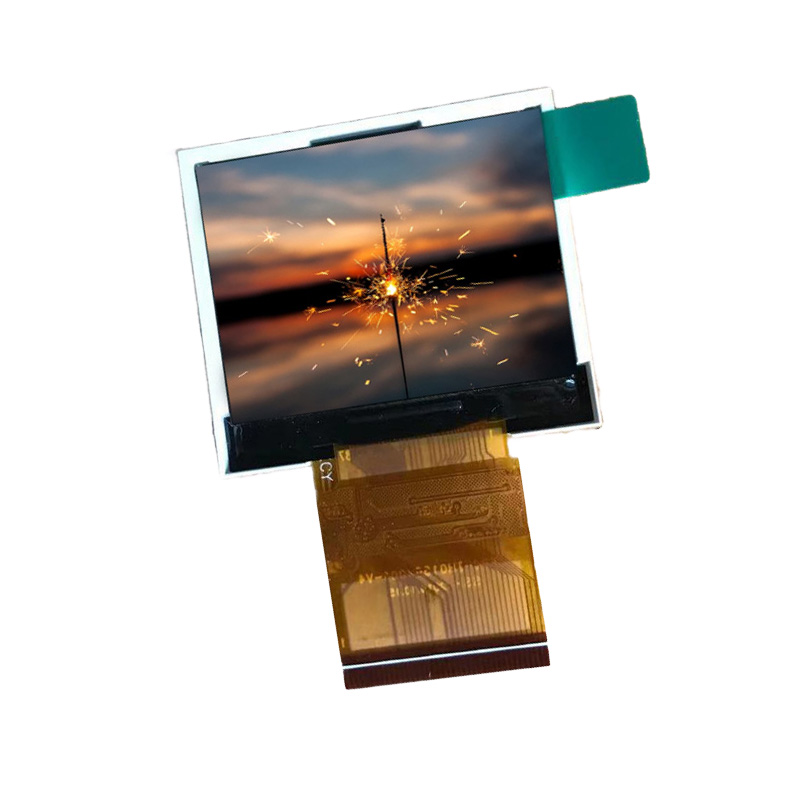
Common TFT Types
There are many kinds of TFT display modules. Each type has special features and uses. The table below shows the most popular types and where they are used.
|
Type of TFT Display Module |
Features |
Applications |
|---|---|---|
|
Standard TFT LCD |
High resolution, wide viewing angles, good color reproduction |
Consumer electronics, industrial control, medical equipment |
|
IPS TFT LCD |
Wider viewing angles, better color consistency |
High-end monitors, TVs, high-end mobile devices |
|
High Brightness TFT LCD |
Clear display in strong light, high contrast |
Outdoor equipment, in-car displays, industrial panels |
|
Touchscreen TFT LCD |
Integrated touch technology, multi-touch functionality |
Smartphones, tablets, POS terminals, industrial equipment |
|
Round TFT LCD |
Unique circular design, high resolution |
Smartwatches, instrument panels |
|
Dual-Sided TFT LCD |
Two displays in one module, simultaneous content display |
E-readers, billboards |
|
Flexible TFT LCD |
Flexible substrates, lightweight, durable |
Wearable devices, foldable phones |
|
Transparent TFT LCD |
Transparent display properties, high transparency |
Augmented reality devices, transparent billboards |
|
Ultra-Wide TFT LCD |
Ultra-wide aspect ratio, larger display area |
Financial transaction terminals, monitoring systems |
TFT modules work in many places. IPS panels show the best colors and wide viewing angles. TN panels are good for gaming because they respond quickly. VA panels have high contrast and deep blacks. This helps in home entertainment and medical screens. You can see how these panels compare in the table below.
|
Aspect |
TN Panel |
VA Panel |
IPS Panel |
|---|---|---|---|
|
Color Accuracy |
Poor |
Better |
Best |
|
Viewing Angles |
Narrow |
Wider |
Very wide |
|
Contrast Ratio |
Lower |
High |
Moderate to high |
|
Response Time |
Fast |
Decent |
Slower |
|
Cost |
Affordable |
Mid-range |
Expensive |
|
Best For |
Gaming, budget |
Entertainment, medical |
Professional work, design |
Note: Pick the TFT panel that fits your needs for color, speed, and price.
Uses in Electronic Devices
TFT display modules are found in many devices. They make screens look better and easier to use. Here are some common uses:
-
Smartphones
-
Tablets
-
Industrial control systems
-
Medical equipment
-
Automotive dashboards
-
Smart home systems
-
Self-service terminals
TFT displays give you sharp images and fast refresh rates. Colors look bright and real. Motion is smooth and contrast is strong. Touch features let you tap, swipe, and use gestures. This makes TFT displays great for modern devices.
TFT modules help in medical imaging, industrial monitoring, and entertainment. You get clear details and easy-to-read text. The market for TFT displays is growing fast. In 2022, it was worth US$ 306.1 million. By 2030, it could reach US$ 1,051.3 million. More devices use TFT displays every year.
The TFT module is the most flexible and reliable display technology. You get new features and strong performance in many devices.
New improvements include flexible parts, quantum dots, and high refresh rates. These upgrades make screens brighter and last longer. TFT displays are tough and work well in hard conditions. They support gesture controls and change brightness to match your needs. This makes them perfect for AR, VR, and wearable devices.
You can trust TFT display modules for clear pictures, fast touch, and strong performance in all your favorite devices.
You can trust TFT display modules to show clear pictures and bright colors, even when the light is strong or dim. These screens use smart pixel control. This makes images look sharp and lets the screen react quickly. You also save energy and can see the screen from many angles. These things help in lots of different devices.
|
Feature |
Benefit |
|---|---|
|
High Resolution |
Sharp, detailed images |
|
Fast Response |
Smooth videos and games |
|
Energy Efficiency |
Longer battery life |
Pick TFT displays if you want a screen that works well and looks good in your next device.
FAQ
What does TFT stand for?
TFT stands for Thin-Film Transistor. You find one transistor for each pixel on the screen. This setup gives you better control and sharper images.
How do you clean a TFT display?
Use a soft, dry cloth. Gently wipe the screen. Do not use water or harsh chemicals. You keep your display clear and safe this way.
Can you use a TFT display outdoors?
You can use a high-brightness TFT display outdoors. These screens stay bright even in sunlight. Check the brightness rating before you choose one for outdoor use.
Why do colors look better on a TFT display?
-
Each pixel has its own transistor.
-
You see bright, true colors.
-
Images look smooth and clear.