When choosing a supplier for motorcycle batteries, there are several factors to consider to ensure you make the right choice. Here are some guidelines:


YEEU Motorcycle Battery


Reputation and Experience

Look for a supplier with a solid reputation and a proven track record of providing high-quality motorcycle batteries. Check online reviews, customer testimonials, and ratings to gauge their reliability and customer satisfaction. An experienced supplier will likely have a better understanding of the industry and be able to offer reliable products.


Quality of Batteries

The quality of the batteries offered by the supplier is crucial. Look for suppliers who provide two-wheeler batteries from reputable manufacturers known for their reliability, performance, and durability. Ensure that the batteries meet or exceed industry standards and have the necessary certifications.


Compatibility

Motorcycle batteries come in various types, sizes, and specifications. Choose a supplier that offers a wide range of options to ensure they have batteries compatible with your motorcycle's make, model, and requirements. They should be able to provide batteries with the correct voltage, capacity, and dimensions.


Warranty and Support

A good supplier will provide a warranty on their batteries, indicating their confidence in the product's quality. Check the warranty terms and conditions, including the duration and coverage. Additionally, inquire about their customer support services in case you encounter any issues or require assistance with your battery.


Pricing and Value

Compare prices from different suppliers, but keep in mind that the cheapest option may not always be the best. Consider the overall value offered by the supplier, including the quality of the batteries, warranty terms, customer support, and any additional services they provide.


Distribution and Availability

Ensure that the supplier has a reliable distribution network and sufficient stock availability. You don't want to face delays or difficulties in sourcing batteries when you need them.


Additional Services

Consider whether the supplier offers any value-added services, such as battery testing, installation support, or recycling programs. These services can enhance the overall customer experience.


Recommendations and Referrals

Seek recommendations from fellow motorcycle enthusiasts, mechanics, or industry professionals who have experience with motorcycle batteries. They may be able to provide insights or refer you to reliable suppliers.


By carefully considering these factors, you can choose a reputable and reliable supplier for your motorcycle batteries, ensuring a quality product and a positive experience.

Sealed lead-acid battery is a common type of battery used in portable power stations. This blog is about lead-acid batteries for portable power stations:


Battery For Portable Power Station


Technology

Lead-acid batteries use a chemical reaction between lead plates and sulfuric acid to store and deliver electrical energy. They have been widely used for many years and are known for their reliability and cost-effectiveness.


Voltage and Capacity

Lead-acid batteries used in portable power stations typically have a nominal voltage of 12 volts (12V), similar to car batteries. The capacity of lead-acid batteries can vary and is typically measured in ampere-hours (Ah). Portable power stations may use lead-acid batteries with capacities ranging from a few ampere-hours to several hundred ampere-hours, depending on the application and power requirements. Models that stand out are: 6V4.5Ah, 6V7Ah, 12V4.5Ah, 12V7AH, 12V9Ah, 12V12Ah, etc.


Performance

Lead-acid batteries offer moderate energy density, meaning they can provide a decent amount of power but have a comparatively lower energy-to-weight ratio. They are capable of delivering high current bursts, making them suitable for applications that require high power output, such as providing electricity to power tools, small appliances, or electronic devices during outdoor activities or power outages.


Maintenance

Lead-acid batteries require regular maintenance to ensure their optimal performance and longevity. This includes periodically checking the battery's electrolyte levels, ensuring proper ventilation, and preventing overcharging or deep discharge, which can affect battery life.


Charging

Lead-acid batteries need to be properly charged to maintain their capacity and performance. Portable power stations equipped with lead-acid batteries often include built-in charging systems, which allow the battery to be charged from various power sources, such as AC wall outlets, solar panels, or car adapters.


Weight and Portability

Lead-acid batteries are relatively heavy compared to other battery technologies, such as lithium-ion. This can impact the overall weight and portability of the portable power station. However, advancements in battery design and lightweight materials have allowed for more compact and portable lead-acid battery-based power stations.


However, it's worth noting that while lead-acid batteries offer certain advantages, they also have limitations such as lower energy density and shorter lifespan compared to some other battery technologies. Depending on your specific needs and requirements, you may also consider exploring portable power stations with alternative battery technologies like lithium-ion battery, which offer higher energy density, lighter weight, and longer life.


Portable Power Lead Acid Battery


LED Display, we could simply recognize it as a big size monitor, which is always widely used for commercial applications. It also be named as led screen, led video wall, led display panel, led display billboard etc.,


Light emitting diode, driving ICs and other electronic components  mounted together on current PCB board forms LED display modules; LED modules, switching power supplies and control cards fixed on specialized metal  cabinet forms led display cabinet; several led display cabinets fixed on specialized metal structure and worked with specialized control system; this is the whole led display system.


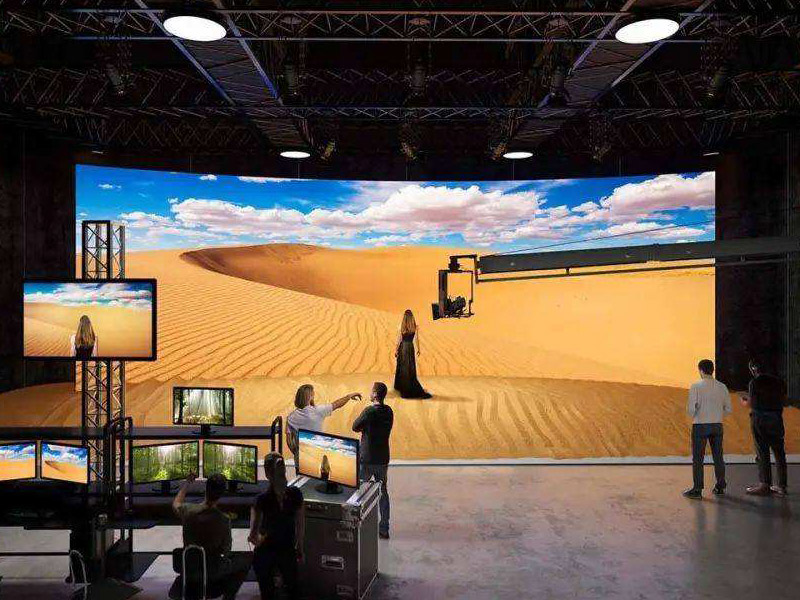
As it is said, led display is always widely used for commercial application. Main applications would be stage rental, VP virtual production, XR virtual photo shoot, exhibition, creative shape display, advertisement & media, security monitoring, commanding & controlling, transports, meeting room, education, stadium, broadcasting, smart city creation, finance, communication , estate, medical, meteorology, military etc., Advertisement, information display, specific places decoration, and stage background are main usage for led display application. The most common applications we will see would be led displays on the wall of buildings, led displays of cinema stage back ground, led display on evet stage, and led displays in night club...


LED Display for XR virtual shooting

LED display screens are classified into different categories based on various criteria. Initially, there were several classification methods, which included:
1. Installation Scene: Indoor LED display screens and outdoor LED display screens.
2. LED Encapsulation Type: DIP LED display screens, SMD LED display screens, and dot matrix LED display screens.
3. Display Color: Single color LED display screens, dual color LED display screens, and full-color LED display screens.
4. Pixel Pitch: This classification refers to the commonly heard "P" number for LED display screens. Popular pixel pitch of display screens now ranges from less than 1 millimeters to 10 millimeters.

With the continuous advancement of LED display screen technology and its increasing application scenarios, the classification of LED display screens has become more detailed. One notable example is rental LED display screens. In the beginning, rental LED display screens were primarily achieved by reducing the weight of indoor and outdoor screen bodies and equipping them with corresponding fast locks, without significant changes in appearance and size. However, as the technology of various components in the LED display screen supply chain has improved, the current rental cabinets can achieve both aesthetic appeal and lightweight design, truly meeting the requirements of quick assembly, disassembly, and easy transportation.

Currently, the most popular LED display screens in the market include small pixel pitch LED display screens, GOB LED display screens, COB LED display screens, and creative LED display screens. These advancements have revolutionized the visual experience and expanded the possibilities of LED display screens.

Choose the right LED display screen for your needs and elevate the impact of your presentations, advertisements, and visual displays. Experience the impressive capabilities of LED display screens and unlock a world of vibrant and dynamic visuals.

Indoor LCD Digital Signage and Outdoor LCD Digital Signage have several key differences:


  1. Environmental Resistance: Outdoor LCD digital signage is designed to withstand harsh weather conditions such as rain, sunlight, temperature extremes, and dust. They have higher IP ratings for protection and special coatings to reduce glare and ensure visibility in bright outdoor environments. Indoor signage, on the other hand, is not built to handle such extreme conditions.
  2. Brightness and Visibility: Outdoor signage requires higher brightness levels to be visible in direct sunlight. They typically have much brighter screens, often several times brighter than indoor models. Indoor signage has lower brightness as the lighting conditions indoors are usually more controlled.
  3. Temperature Tolerance: Outdoor units have better heat dissipation and can operate within a wider temperature range to cope with hot summers and cold winters. Indoor units are designed for more stable and moderate temperature environments.
  4. Durability and Construction: Outdoor digital signage is made of more robust materials and has better sealing to prevent damage from moisture and debris. The casing is often more rugged and vandal-resistant.
  5. Cost: Due to the enhanced features and durability requirements, outdoor LCD digital signage tends to be more expensive than indoor counterparts.


The choice between indoor and outdoor LCD digital signage depends on the specific application and location where they will be used.

LCD and LED Basics

Liquid crystal displays have been a cornerstone in the world of visual displays for decades. The principle behind LCD technology involves liquid crystals sandwiched between two transparent electrodes. When you subject these liquid crystals to an electric current, they align to control the passage of light through the display.


Traditional LCD screens use cold cathode fluorescent lamps (CCFLs) behind the screen for illumination. These lamps serve as the light source, emitting light that passes through the liquid crystal layer to create images. People use LCDs extensively in electronics such as computer monitors and televisions.


LED stands for light-emitting diode. Unlike LCDs, LEDs utilize an array of semiconductor light-emitting diodes to produce light. Each diode emits its own light when a current passes through it, eliminating the need for a separate light source, such as CCFLs.


LCD vs. LED: 8 Key Differences

LEDs offer several advantages over traditional LCDs.


They consume less power, provide higher brightness levels and have superior contrast ratios. LED technology also enables thinner displays with better picture quality, compared to their LCD counterparts. It's no wonder LED displays have gradually become the preferred choice for consumers and TV manufacturers alike.


Here's how the two displays stack up against each other in the most important categories of comparison.


1. Light Source

LCD monitors and TVs typically utilize cold cathode fluorescent lamp backlighting technology. These lamps provide the light source necessary to illuminate the LCD panel.


In contrast, LED monitors and TVs employ LED backlighting. LEDs serve as the light source, offering better efficiency and control over the brightness, compared to CCFLs.


2. Energy Efficiency

LED displays are known for their superior energy efficiency, compared to LCDs. LED backlighting consumes less power, resulting in lower energy bills and reduced environmental impact.


LED monitors and TVs are designed to produce light directly, minimizing the wasted energy you might typically associate with CCFL backlighting in LCD displays.


3. Picture Quality

When it comes to image quality, LED displays often outperform LCDs. LED screens offer higher brightness levels, deeper contrast ratios and more vibrant colors.


The use of LED backlighting enables better control over individual pixels, resulting in sharper images. LED panels also tend to have wider color gamuts, which also enhances the overall image quality.


4. Thinness

One significant advantage of LED displays is their thinness. LED monitors and LED televisions can achieve sleek and slim designs, due to the compact nature of the LED backlighting technology.


In contrast, LCD monitors and TVs may be thicker, especially those using CCFL backlighting, which requires additional space.


5. Local Dimming

LED displays often incorporate local dimming technology to enhance the contrast and black levels. This feature can dynamically adjust the brightness of specific areas of the screen, resulting in deeper blacks and a better overall picture quality.


While some high-end LCD televisions may also offer local dimming, LED displays are generally better in this category.


6. Viewing Angle

While modern LCD panels have improved viewing angles (compared to earlier models), they may still exhibit color distortion or reduced brightness when you view them from extreme angles, which can make for a frustrating viewing experience.


On the other hand, LED backlighting technology provides more uniform illumination across the entire screen in LED monitors and TVs. This helps to maintain consistent image quality across a wider viewing angle, such as when you're viewing the screen from an off-center position.


7. Cost

While LED displays tend to offer better performance, they also tend to come with a higher price tag compared to traditional LCDs. The advanced technology and materials in LED backlighting contribute to the higher price tag.


However, over time, the energy savings and longevity of LED displays may offset your initial investment.


8. Longevity

LED TVs last longer with a lifespan of around 100,000 hours. On the other hand, LCD TVs have a lifespan of about half that, or 50,000 hours. This can make an LED display a worthwhile investment if you're looking for an option that will last you as long as possible.


More Practical Applications of LED and LCD Displays

In addition to their use in televisions and computer monitors, LED and LCD displays are in use across other industries and settings.


Signage and Video Walls

Both LED and LCD displays are common in digital signage applications in indoor environments, such as retail stores, airports and corporate offices, where space constraints and controlled lighting conditions are present.


LED displays are suitable for both indoor and outdoor uses, due to their high brightness levels, wider viewing angles and durability in various weather conditions.


You can utilize both LED and LCD displays for video walls. A video wall consists of multiple display panels arranged seamlessly to create a larger display area. They're popular in command centers, entertainment venues and corporate lobbies.


Gaming

LED and LCD displays are also integral components of gaming consoles and gaming laptops. Some gamers favor LCD monitors with fast response times and high refresh rates for smoother gameplay and reduced motion blur. Meanwhile, LED-backlit displays enhance visual clarity, color accuracy and contrast, contributing to a more immersive gaming experience.


What Is an OLED Display?

In research LCD and LED displays, you might also come across what's called an OLED display. An organic light-emitting diode display is a type of display technology that utilizes organic compounds to emit light when an electric current is applied.


Unlike traditional LED and LCD displays, which require backlighting to illuminate the screen, OLED displays produce their own light on a pixel-by-pixel basis.


The structure of an OLED display consists of several organic layers sandwiched between two conductors. When an electric current passes through these organic layers, it stimulates the emission of light. Organic LED displays are made up of individual OLED pixels, each capable of emitting its own light and producing colors independently.


One of the key advantages of OLED displays is their ability to achieve true blacks and infinite contrast ratios. Since you can turn off OLED pixels completely to display black, OLED screens can achieve deeper blacks and higher contrast levels — compared to LCD and LED displays, which rely on backlighting.


OLED displays also offer a wider viewing angle, faster response times and better color accuracy compared to traditional display technologies. On the downside, OLED displays are susceptible to burn-in and have higher manufacturing costs compared to LCD displays.


However, advancements in OLED technology continue to address these challenges, making OLED displays increasingly popular in consumer electronics, including smartphones, televisions, computer monitors and automotive displays.


What Are Quantum Dots?

To better understand color performance and image quality in both LED and LCD displays, you'll want to become familiar with quantum dots, the semiconductor nanocrystals that have gained significant attention in the display industry, due to their ability to enhance the performance of both LED and LCD displays.


Quantum dots are primarily a backlighting technology in displays, serving to improve the color accuracy, brightness and energy efficiency in LEDs and LCDs, making them more competitive with other display technologies, such as OLED.


Quantum dot technology has become increasingly prevalent in high-end displays, including premium LED TVs and LCD monitors, offering consumers a more immersive viewing experience.


In LED displays, quantum dots are a color conversion layer in conjunction with blue LEDs. Blue LEDs are the primary light source, and quantum dots convert some of the blue light into red and green wavelengths, thus creating a broader spectrum of colors.


This process, known as photoluminescence, allows LED displays to achieve a wider color gamut and more accurate colors, resulting in richer images.


In LCD displays, quantum dots are part of a technology called quantum dot enhancement film (QDEF). QDEF is a thin film containing quantum dots that manufacturers place between the backlight source and the LCD panel.


The quantum dots in QDEF absorb blue light from the LED backlight and re-emit it as pure red and green light. This process enables LCD displays to produce a wider color range and higher color saturation, approaching the performance of OLED displays in terms of color reproduction.

 

Digital signage refers to LED, LCD, or OLED screens that showcase dynamic material, including text, graphics, video, interactive media, and live-streaming content via software that facilitates it all.


These versatile displays are a common sight in outdoor public spaces, serving as high impact billboards in iconic locations such as Times Square. Their indoor applications are equally diverse, enhancing customer experience and communication in retail spaces, restaurants, modern office buildings, healthcare facilities, transport hubs, and educational and religious institutions


A standout advantage of signage technology is its operational efficiency, particularly in content management and playback. Unlike traditional signage, electronic signs eliminate the need for printing, enabling instantaneous content updates and allowing for timely and relevant communication with audiences.


Most modern signage networks are controlled using using software that offers the ease of maintenance. This often comes these software applications come equipped with media design toolset. That means, one can create, publish and manage all of their on-screen messaging from one single platform.


What is a digital signage system?

From the above definition, it is clear that digital signage is any screen that we use for specific information to a target group

But, these screens are not the sole component; there is a particular technology working at the backdrop. That is why we often refer to the entire technology as a 'digital signage system.'

A digital signage system is a network of displays powered by software that enables the creation, management, and playback of multimedia content for advertising or informational purposes. These systems are commonly used in public spaces and commercial environments to engage and inform viewers.

There are three primary components of this system:

  1. The hardware
  2. The software or Content Management System (CMS)
  3. The content

A. Digital signage hardware


The digital signage hardware comprises-

  1. Display screen: Similar to a smartphone or TV, this screen shows information and can be a signage media player. Commercial-grade screens are preferred for their longevity and superior display quality.
  2. Signage player: The signage media player connects to the screen and plays content. It may be built into smart TVs and uses software to pull content from a centralized management system and display it in various formats, such asvideos, images, and HTML.
  3. Mounting hardware: Brackets and cables are used to securely install the screens on walls or suspend them from ceilings

B. Digital signage software


The software is the brain that helps to process the data and display it on the screen without much hassle. Here are some of the key attributes:

  1. Content management system (CMS) : A Content Management System (CMS) for digital signage is a user-friendly dashboard that lets users control their display content. Key features include scheduling when content appears, managing screens from anywhere, supporting various media formats (JPG, MP4, GIF,HTML, HTTPS), integrating with other systems, designing custom layouts, and ensuring the content looks good on any device.
  2. Cloud for content management: The CMS can be hosted on an organization's private data center (on-premise digital signage) or on cloud. Cloud deployment helps organizations with easier server infrastructure management, easy contentdistribution across geography, and high scalability. If your digital signage software is hosted on the cloud, you can access your dashboard or CMS from anywhere in the world.
  3. Related Article: Why do users prefer cloud-based digital signage software?


C. Digital signage content

  1. Whatever you show on screen is the content. It can be a pre-designed advertising video or a live news broadcast. Electronic signs offer a vast array of content possibilities, such as images, social media posts, text messages, YouTube videos, website information, live traffic, sales dashboards, and RSS feeds. Many modern digital display management platforms like Pickcel offer content apps that can bring live and programmed content (for example, live news , real-time weather, accurate clock time, live countdown, etc.) to any screen.


LED displays promise to change the way movie and television productions are created, but the effects are only as good as the video walls on which they’re shown. Those displays are constantly improving. Just a few decades ago the pixel pitch, or the distance between individual pixels in an LED display, was in the range of 12 mm, making them suitable primarily for viewing from a distance. Today, the pixel pitch of some displays is in the range of .6 mm or smaller, making them comparable in resolution to an LCD display. Although that shrinking pixel pitch has greatly improved the resolution of the displays it does create challenges that need to be overcome to make them suitable for video applications. Concerns that need to be addressed when using LED displays in video productions include:


Brightness

Adjustable screen brightness For different scenarios, the brightness of screen is needed to adjust to meet requirements.


Refresh rate

Refresh rate at high brightness – According to the “10 times refresh” theory, the refresh rate for high brightness LED displays needs to be more than 10 times the camera shutter speed for images taken by the camera to be free of lines and defects. A typical camera has a shutter speed of about 1/200 second, so the refresh rate of an LED display in a broadcast application needs to be greater than 2,000Hz or bright lines will appear in the image.


Most fine-pitch LED displays today use PWM-based driver chips, which have the characteristics that the refresh rate at low-grayscale levels is lower than that at high-grayscale levels. As a result, when showing a low-grayscale image on the LED screen black streaks appear on the picture taken by the camera, greatly affecting the visual experience.


Grayscale


The loss and discontinuity of pixel data at low grayscale levels greatly reduces the smoothness of images, causing them to appear unclear to viewers. There are two causes of this problem. The first is that the grayscale data of the video source is compressed. This leads to a loss of a certain amount of grayscale and is likely to cause blocky images. The second is that the grayscale output bit number of the LED display is too low. Therefore, the jump span of each level at low grayscale is too large, thereby causing discontinuity.


HDR

If the LED display has a higher grayscale output, such as 16-bits, it can decrease discontinuity problems and lead to a better visual performance. Viewers can see more details, especially under low brightness conditions. In addition, when the video source is HDR, an LED displays would perform better with 16-bit grayscale output and a higher refresh rate. This kind of opulent image quality will bring a photorealistic performance making it well suited for movie backdrop use.


Contrast

Insufficient contrast causes a loss of image detail and results in images without multiple layers, similar to a painting without depth and color.

Moire

Moiré patterns are large-scale interference patterns that can be produced in an image when an opaque ruled pattern with transparent gaps is overlaid on another similar (but not identical) pattern.

LED displays are notorious for using a great deal of energy and generating a large amount of heat that can drive up costs and shorten display life.


You can contact us for more information


View Distance

The image perception is influenced by the distance between the viewer and the LED screen. The ideal viewing distance is 1x ~1.5x the pixel pitch in meters. So in a 12 mm pixel pitch screen it is around 12 meters. At this distance the human eye (or brain) no longer sees individual pixels but the whole picture. Of course you can get closer (and certainly further away) watching the screen. Closer to the screen the pixels will become increasingly evident, but the image will no long remain acceptable.

The viewing angles for an LED displays are measured horizontally and vertically, and indicate over what range images on the LED screen are fully visible without the screen displaying a negative image.The viewing angle of a LED display represents the limit of its optimal picture quality. Sit at a position at a wider angle than that of its viewing angle and you will experience worse picture.


The LED industry defines viewing angle as the full angle at which brightness is half of the brightness from dead center. (The view angle of a screen is by convention the angle within which the brightness of a display is equal to the 50% of the frontal luminosity.).More scientifically, if ø (angle theta) is the angle from off center (0°) where the LED’s brightness is half, then 2ø is defined as the full viewing angle.

high brightness led screen

For example, a LED screen with 5000 NIT frontal brightness has a visibility angle equal to the angle by which the brightness is reduced to 2500 NIT. This visibility angle can vary depending on the LED and the technical features of the display.

In conclusion, it can be stated that loss of brightness under viewing angle start with radiation characteristics of individual LEDs. In most cases radiation characteristics of LEDs show 50% brightness level at about 60°.


If the viewing angle of the LED screen becomes lower, the LED screen brightness will be higher, or vice versa. If the contrast ratio between LED screen's brightness and environmental brightness is higher, the led screens’ showing performance will be more colorful. But a too high brightness will consume a lot of energy and create high heat. For that the LED's brightness decreases much faster, and of course, its lifespan will become shorter.


For more information, welcome to contact us


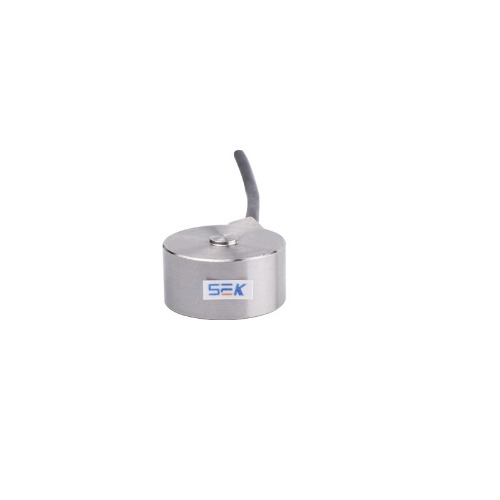
Force sensors are commonly used sensors that are widely used in various industrial automation fields. The main function of force transducer is used to measure the magnitude of the force applied to an object, and convert the measurement result into an electrical signal output for data acquisition and control.

The working principle of the load cell is based on the lever principle and resistance principle. Force sensors are usually composed of elastomers, strain gauges, bridges, signal conditioning circuits and so on.

When the object is subjected to force, the elastomer will produce deformation, and the strain gauge will also be deformed. The strain gauge is a resistive element that converts the deformation into an electrical signal. When the strain gauge deforms, its resistance changes accordingly. A bridge is a component used to detect the change in resistance of a strain gage, and it converts the change in resistance of a strain gage into a voltage signal output.

The signal conditioning circuit is a circuit used to amplify, filter and linearize the voltage signal in order to convert the signal into a usable electrical signal output. Ultimately, the electrical signal output from the force transducer can be transmitted and processed in the form of an analog or digital signal.