Understanding Palm Vein Scanning: The Future of Secure Access


In a time when safety and convenience are paramount, innovative technologies are emerging to meet our needs. One such advancement is palm vein scanning, a biometric authentication method that is becoming increasingly popular across industries. But what is palm vein scanning and how does it work?


Palm vein scan


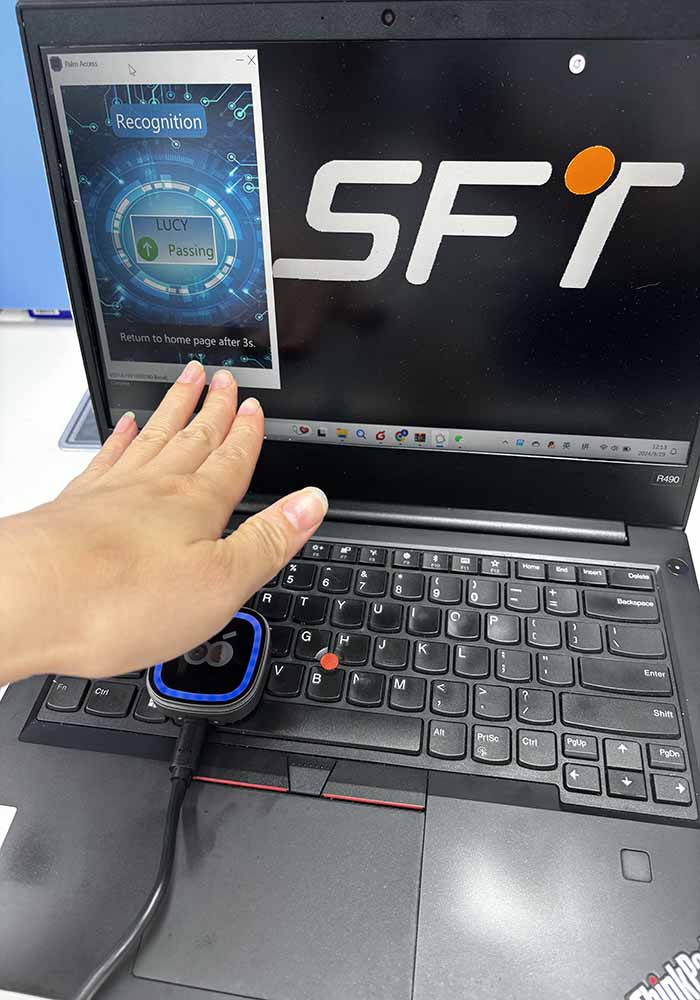
Palm vein scanning uses near-infrared light to capture the unique vein patterns in a person's palm. These patterns are as unique as fingerprints, making them an excellent choice for secure identification. The SFT Palm Vein Scanner takes this technology a step further by offering compatibility with Windows and Android devices, making it suitable for a variety of applications.


One of the outstanding features of the SFT palm vein scanner is its scanning distance, which ranges from 5 to 12 cm. This enables a seamless user experience as individuals simply place their hands near the scanner without direct contact. This feature is particularly beneficial for access control systems, where fast and efficient identification is crucial.

Palm vein scanner


Additionally, the SFT Palm Vein Scanner is ideal for payment and refund processes. By integrating palm vein scanning into payment systems, businesses can enhance security while providing customers with a quick and convenient way to complete transactions. The unique vein pattern ensures only authorized users can access their accounts, significantly reducing the risk of fraud.


In short, palm vein scanning is not only a technological innovation, but also a new technology. It represents a major leap forward in secure access solutions. With products like the SFT palm vein access control system, businesses can enhance security measures while providing a user-friendly experience. As we continue to adopt biometric technology, the future of secure access looks brighter than ever.


Why do we need to install a 90-degree automatic gate opener? What are the advantages? Several new customers have recently asked the same question about automatic door openers.

here are three of the biggest advantages of a 90-degree automatic swing gate opener:

Enhanced Accessibility: A 90-degree automatic sliding gate opener provides a wider opening than traditional doors, allowing for easier access for people with disabilities, such as those in wheelchairs, as well as those pushing strollers or carrying bulky items. This can be especially beneficial in public spaces like hospitals, airports, and shopping centers.

Improved Safety: Automatic doors, including 90-degree openers, can help reduce the risk of accidents caused by manual doors. They eliminate the need for individuals to physically push or pull the door open, which can lead to slips, trips, and falls. Additionally, automatic doors can be equipped with sensors that detect the presence of people or objects in the doorway, helping to prevent collisions and injuries.

Increased Efficiency: In high-traffic areas, manual doors can create bottlenecks and slow down the flow of people. A 90-degree automatic door opener can help alleviate this issue by allowing for a smoother and more efficient traffic flow. This can be especially important in commercial settings, such as retail stores, where a fast and efficient customer experience is crucial. Additionally, automatic doors can be programmed to open and close at specific times, helping to conserve energy and reduce costs.
 

automatic swing gate openers


How do 90-degree automatic door openers differ from other types of door openers in terms of design and functionality?

90-degree gate opener system differentiates from other types of door openers in several ways, particularly in their design and functionality:

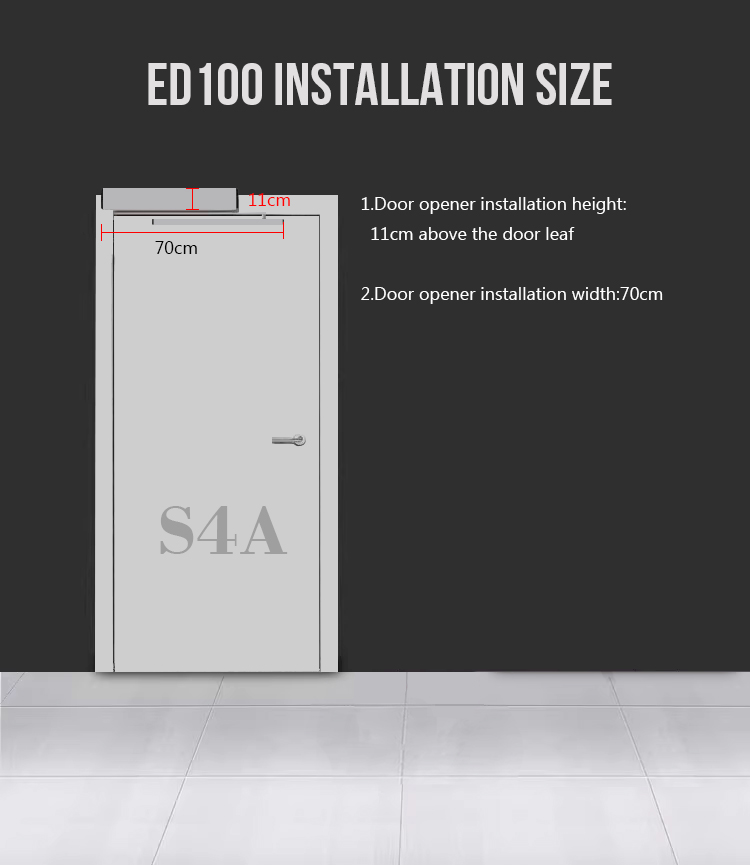
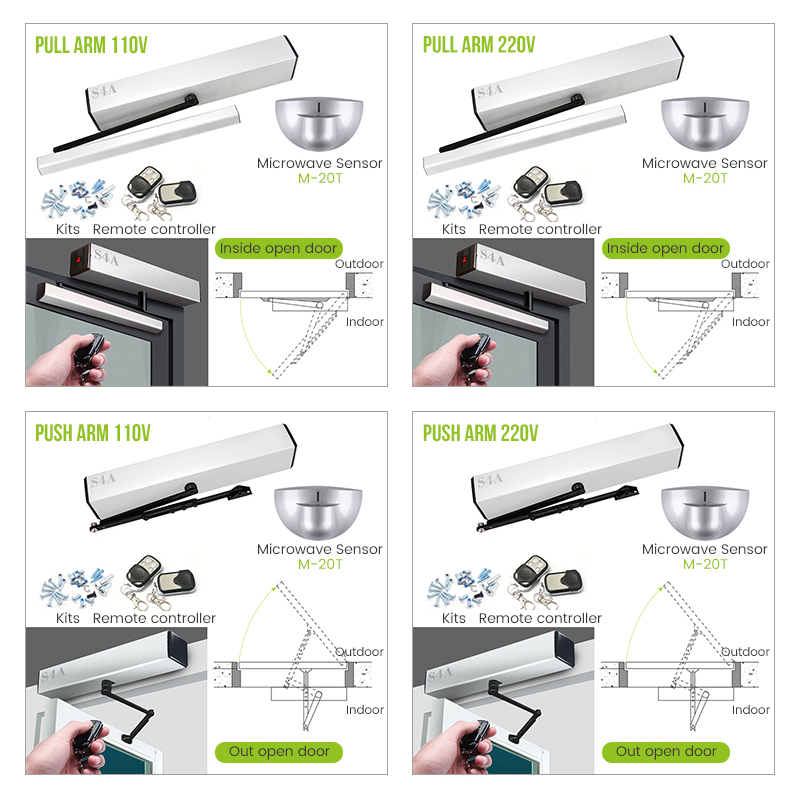
Opening Mechanism: The most obvious difference is the opening angle. A 90-degree automatic door opener swings the door open to a full 90-degree angle, unlike sliding door systems or revolving doors, which move differently.

Space Requirements: Due to the 90-degree swing, these openers require sufficient space on one side of the door for the door to open fully without obstruction. This contrasts with sliding door systems, which do not require additional lateral space.
 

automatic swing gate openers


Energy Efficiency: Some 90-degree automatic door openers are designed with energy-saving features, such as motion sensors that activate the door only when needed, reducing unnecessary energy consumption compared to continuously powered systems.

Integration with Security Systems: They can be integrated with access control systems for added security, allowing the door to open only for authorized individuals. This level of integration might vary with other door opener types.

Sensor Technology: 90-degree automatic door openers often utilize advanced sensor technology to detect the presence of people or objects, ensuring safe operation and preventing the door from hitting anything during its swing.

Aesthetics: The design of a 90-degree gate automatic opening system can be more streamlined and less obtrusive than other types, especially when considering the visibility and aesthetics of the mechanism.
automatic swing gate openers

Maintenance: The maintenance requirements for a 90-degree sliding automatic gate opener kit can differ from other types. For instance, hinged doors may require less maintenance than sliding or folding door systems, which have more moving parts.

Weather Resistance: Some models are designed to withstand various weather conditions, ensuring reliable operation even in adverse climates, which might be a consideration not as prevalent with indoor-only door systems.


Each type of swing gate operator is suited to different applications based on the specific needs of the building or space they are intended for. The choice of door opener will depend on factors such as available space, traffic flow, security requirements, and environmental conditions.


If you wanna know more products or require any additional information, pls kindly contact us as below:


S4A INDUSTRIAL CO.,LIMITED

Contact Sales: Ms Anna Zhang

Tel:+86 755 29450011 EXT: 608

Mob/whatsapp/Viber +86 134 10500721

Skype:crypton0908

Email: sales1@s4a-access.com
 

Today, a customer who has been working with us for two years asked this question.

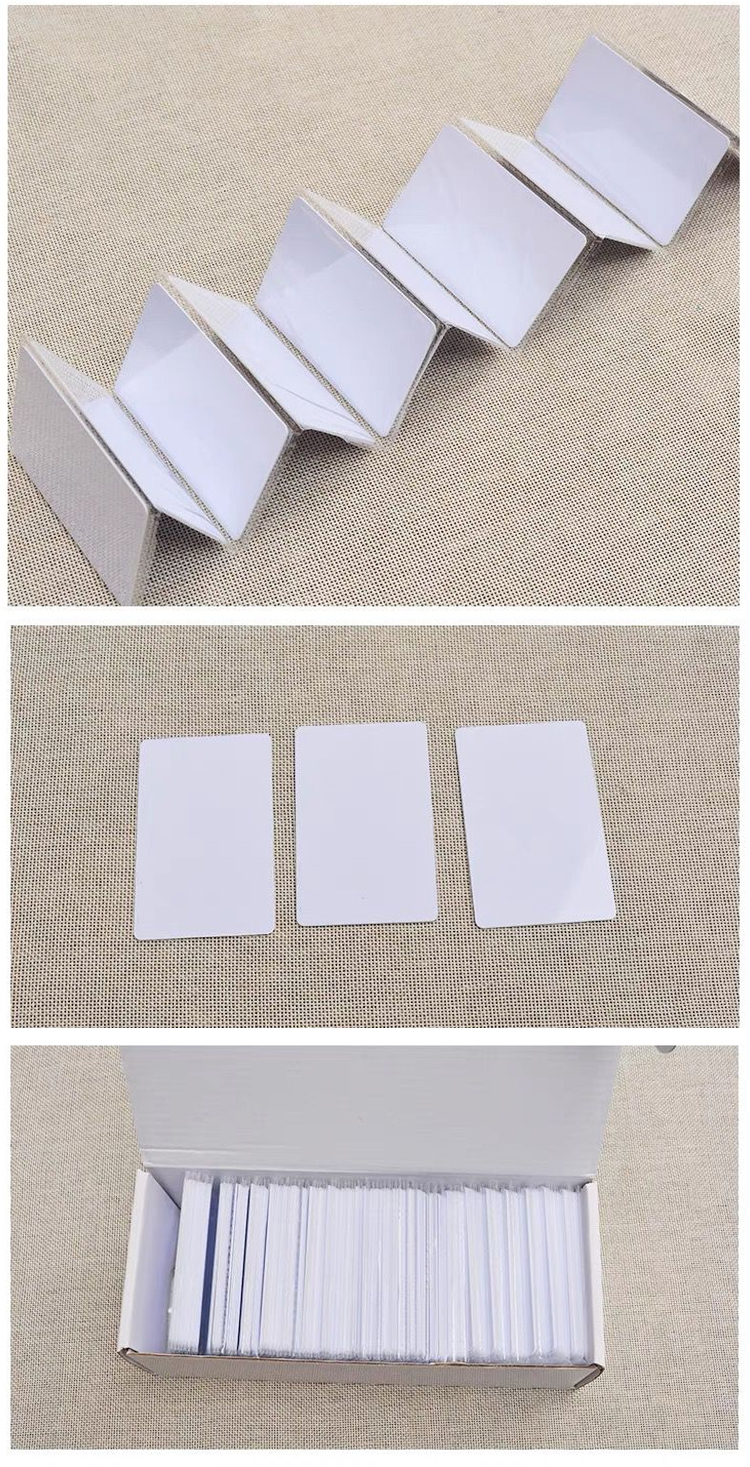
UID card and Mifare Classic 1K card are two different types of smart cards, which differ in design and function:

Storage structure: Mifare Classic 1K card has 1KB of storage space, divided into 16 sectors, each sector contains 4 blocks, each block is 16 bytes. Block 0 of sector 0 usually contains the manufacturer UID code as the card identification code. UID card is a common copy card, which can repeatedly erase and write all sectors, but it may fail if the access control system has a firewall.

Security: Sector 0 of Mifare Classic 1K card cannot be modified, and other sectors can be repeatedly erased and written. It has 4 main permissions: read, write, increment, decrement, and 2 additional permissions: read and write control code, read and write A/B password. These permissions require the use of A or B password and operate under the constraints of the control code.

Use: Mifare Classic 1K card is usually used for access control cards, elevator cards, etc., while UID card may be used in some scenarios that do not require high security. The design of the Mifare Classic 1K card includes security considerations, such as using passwords to protect access to sectors.

Special types: There are different types of cloned cards, such as CUID, FUID, and UFUID, which provide different levels of security and features. For example, CUID cards can penetrate most firewalls, while UFUID cards become M1 cards after sealing the card, and UID cards if the card is not sealed.

get more RFID reader deatils from www.s4a-access.com  quickly.


UID cards

UID and BCC: Mifare Classic 1K cards, like other MIFARE cards, have a UID (Unique Identifier) and a BCC (Block Check Code). The BCC is a checksum of the UID, and if not configured correctly, it may cause the card to be undetectable, i.e. "bricked".

Modifiability: Some MIFARE cards, known as "Magic" cards, allow the manufacturer block to be modified, which is not allowed in the original card. However, if Block 0 is not configured correctly, the card may be "bricked", i.e. irreversibly damaged.

Technical cracking: Mifare Classic was cracked in 2008. If the KEY of any segment in the card is known, all KEYs can be obtained through simple brute force. But many cards used in formal occasions do not use the default key


There could be several reasons why a laser machine fiber-optic cable broke:


1.Mechanical stress: Laser machine fiber-optic cable are often subjected to mechanical stress due to factors such as bending, twisting, or tension. Over time, this stress can weaken the fiber and eventually lead to a break.


2.Excessive power levels: If the laser machine is operated at power levels beyond the recommended specifications for the fiber, it can cause excessive heating and damage the fiber, leading to a break.


3.Contamination: Foreign particles or contaminants on the fiber's surface can interfere with the transmission of laser light, causing localized heating and eventual breakage.


4.Aging and wear: Like any material, fibers can degrade over time due to aging or wear and tear. This degradation can weaken the fiber's structure and make it more prone to breaking.


5.Improper handling: Rough handling or mishandling of the fiber, such as excessive bending, sharp bends, or tugging, can put stress on the fiber and cause it to break.


6.Manufacturing defects: In some cases, the fiber may have had undetected defects introduced during the manufacturing process, which can lead to premature failure.


It is important to note that proper maintenance, regular inspections, and adherence to manufacturer's guidelines can help minimize the risk of fiber breakage and ensure the longevity of laser components.


In healthcare environments, it is essential to keep spaces clean and sanitary for the safety of patients and the efficiency of the facility. Terrazzo flooring provides several distinct hygienic advantages, making it a preferred option for hospitals, clinics, and other medical establishments. This flooring not only looks appealing but it is also designed to help maintain a sterile environment.


One of the key benefits of terrazzo is its non-porous surface, which prevents the buildup of bacteria, mold, and other contaminants. Unlike carpets or tiled floors with grout lines, terrazzo’s seamless design eliminates small gaps where germs can hide and multiply. This characteristic is especially important in areas like operating rooms and patient care areas, where cleanliness is crucial.


Additionally, terrazzo is well-suite for healthcare environments due to its durability and low maintenance needs. It can endure the heavy foot traffic and frequent cleaning typical in hospitals without deteriorating or needing replacement. With regular cleaning , the floor will stays hygienic, and its chemical resistance allows for the use of strong disinfectants without harming the surface.


terrazzo flooring


Terrazzo also enhances indoor air quality, which is vital in healthcare settings where air circulation and cleanliness affect patient recovery. Its smooth, non-porous surface does not trap dust, allergens, or harmful pathogens. Furthermore, the material does not release volatile organic compounds, which can lead to air pollution and respiratory problems, especially in sensitive environments like hospitals.


TransGrind Diamond Tooling is a professional manufacturer and supplier of premium diamond grinding tools. Our tools such as diamond cup wheels are crafted for high performance, durability, and precision, ensuring optimal results in grinding and polishing tasks. To explore our wide range of products, please visit us at www.transgrindtools.com.

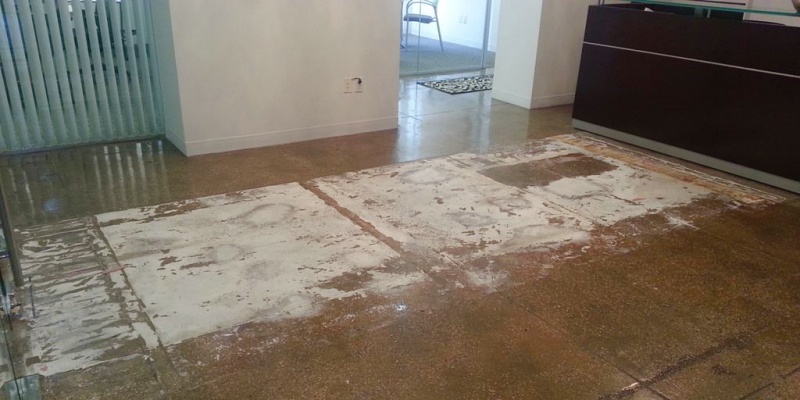
Terrazzo floors are celebrated for their beauty, durability, and versatility, therefore, people usually choose them for both commercial and residential spaces. However, when faced with the challenge of removing adhesives residue from terrazzo floors, it can be a daunting task. Sticky residue from carpet installation, adhesive tapes, or other sources can mar the pristine surface of terrazzo.


Begin the process of removing adhesive residue by employing gentle techniques. Use a plastic putty knife or scraper to carefully scrape off as much of the residue as possible without scratching the terrazzo. Be cautious and gentle to avoid damaging the surface. Once most of the adhesive residue is removed, move on the next step.


After scarping away the majority of the residue, mix mild liquid dish soap with warm water to create a solution. Apply the solution to the affected area and give it a few minutes to loosen the stubborn residue. Then, using a soft-bristle brush or non-abrasive sponge, gently scrub the adhesive. Rinse the area with clean water and ensure it is thoroughly dried.


diamond floor grinding tooling


For more persistent adhesive residue, we can employ the use of diamond grinding tools, which are specifically designed for terrazzo floors. Using diamond floor grinding tooling embedded with industrial-grade diamonds to remove thin layers of material and smoothen the surface. This method is effective at eliminating stubborn adhesive residue from terrazzo while maintaining the integrity of the floor.


TransGrind Diamond Tools is a professional manufacturer and supplier of premium diamond grinding tools. Our tools are crafted for high performance, durability, and precision, ensuring optimal results in grinding and polishing tasks. To explore our wide range of products, please visit us at www.transgrindtools.com.


Are you looking for a reliable and accurate solution for measuring current? Look no further than current sensors! In this blog post, we will explore the different types of current sensors, such as Hall current sensors, closed-loop current sensors, and 300A current sensors. We will also highlight the importance of choosing the right current sensor manufacturer for your needs.

Understanding Current Sensors

Current sensors are electronic devices designed to measure electrical current flow in a circuit. They play a crucial role in various industries, including automotive, power distribution, renewable energy, and industrial automation. By providing accurate current readings, these sensors enable better control, monitoring, and protection of electrical systems.

Types of Current Sensors

1. Hall Current Sensors

Hall current sensors use the Hall effect principle to measure current flow. They consist of a conductor through which the current passes and a Hall element that detects the magnetic field generated by the current. The Hall element generates a voltage proportional to the current, allowing for precise current measurement. These sensors have the advantage of being non-contact, making them ideal for applications where galvanic isolation is required.

2. Closed-Loop Current Sensors

Closed-loop current sensors, also known as fluxgate current sensors, operate on the principle of magnetic induction. They consist of a primary winding through which the current flows and a secondary winding that detects the magnetic field generated. The secondary winding output is proportional to the primary current, providing accurate measurements.

3. 300A Current Sensors

300A current sensors are specifically designed to handle high current applications. These sensors can accurately measure currents up to 300A, making them suitable for heavy-duty equipment, industrial machinery, and power distribution systems.

Choosing a Reliable Current Sensor Manufacturer

When it comes to current sensors, choosing the right manufacturer is crucial to ensure product quality, reliability, and performance. Here are a few factors to consider while selecting a current sensor manufacturer:

  1. Experience and Expertise: Look for manufacturers with extensive experience in the field of current sensing. They are more likely to produce high-quality sensors that meet industry standards.

  2. Product Range: Consider manufacturers who offer a wide range of current sensors to meet your specific application requirements. This ensures that you can find the right sensor for your needs.

  3. Quality Assurance: Check if the manufacturer follows stringent quality control measures and has the necessary certifications. This ensures that the sensors you purchase are reliable and durable.

  4. Customization Options: If you have unique requirements, opt for a manufacturer who can provide customized solutions to meet your specifications.

  5. Customer Support: Look for manufacturers that offer excellent customer support, including technical assistance, warranty, and after-sales services. This ensures a smooth purchasing experience and prompt resolution of any issues that may arise.

In conclusion, current sensors are vital for accurate current measurement in various industries. Whether you need a Hall current sensor, closed-loop current sensor, or a high-current sensor, choosing the right manufacturer is key. By considering factors like experience, product range, quality control, customization options, and customer support, you can find a reliable current sensor manufacturer that meets your needs. Invest in quality current sensors to ensure precise measurements and efficient operation of your electrical systems.

The demand for advanced materials in various industries has led to the development of innovative solutions. One such material gaining attention is Aluminum Nitride (AlN) ceramic substrate. Known for its exceptional properties, AlN is making its mark in the world of composites.

Understanding Aluminum Nitride Ceramic Substrates

Aluminum Nitride Ceramic Substrates are high-performance materials used in electronic and thermal management applications. With their unique combination of thermal, electrical, and mechanical properties, they have become the go-to choice for many industries.

The Power of Composite AlN

Composite AlN represents a breakthrough in material science. By combining Aluminum Nitride with other materials, such as polymers or metals, a new level of performance can be achieved. The resulting composite AlN offers enhanced mechanical strength, improved thermal conductivity, and excellent electrical insulation properties.

Aluminum Nitride Substrate Composite: Versatility Redefined

Aluminum Nitride Substrate Composites provide a versatile platform for various applications. From electronic devices to power modules, these composites deliver reliable heat dissipation, electrical insulation, and structural integrity. Their exceptional thermal conductivity and high temperature stability make them ideal for demanding environments.

Thermally Conductive Gaskets: Harnessing AlN’s Potential

Thermally conductive gaskets play a crucial role in sealing and thermal management. By utilizing AlN in the manufacturing process, these gaskets exhibit remarkable thermal conductivity and insulation properties. This allows for efficient heat transfer while maintaining electrical isolation, making them invaluable in critical electronic systems.

AlN Ceramic Gasket: A Perfect Fit for Demanding Applications

AlN Ceramic Gaskets offer the best of both worlds – the exceptional properties of Aluminum Nitride combined with the reliability of ceramic materials. These gaskets provide excellent thermal management, electrical insulation, and resistance to harsh conditions, making them ideal for high-power electronics, aerospace, and automotive applications.

Insulation Aluminum Nitride Ceramic Substrate: Superior Electrical Isolation

In applications where electrical insulation is paramount, Insulation Aluminum Nitride Ceramic Substrates deliver unmatched performance. These substrates offer excellent dielectric properties, high breakdown voltage, and low leakage current. From power electronics to LED solid-state lighting, they provide a reliable and efficient solution.

Advancing Technology through Aluminum Nitride Ceramic Substrates

The versatility and performance of Aluminum Nitride Ceramic Substrates make them a driving force in advancing technology. With their exceptional thermal conductivity, electrical insulation, and mechanical strength, they offer limitless possibilities for engineers and designers alike.

In conclusion, Aluminum Nitride Ceramic Substrates, especially when used in composite materials, excel in various applications. From thermally conductive gaskets to ceramic substrates for electronics, AlN’s unique properties are pushing the boundaries of what is possible. As industries continue to seek innovative materials, AlN ceramic substrates stand ready to deliver enhanced performance and reliability.

The walkie-talkie explosion in Lebanon has attracted global attention and profound reflection on the safety of communication equipment.


Several potential causes may have led to this tragic explosion in Lebanon. Firstly, experts speculate that the 2 way radios might have been internally rigged with explosive detonators. Modern communication devices typically house components such as batteries and circuit boards; if maliciously fitted with explosive devices, such as mini detonators, during manufacturing or supply chain processes, these devices could be remotely triggered upon receiving specific signals or meeting preset conditions, leading to explosions.


Secondly, issues with the walkie-talkie's battery could also be a cause of the explosion. Although modern battery manufacturing processes are relatively mature, lax quality control or design flaws can still lead to explosions due to overheating or short circuits. However, considering the scale and impact of this explosion, mere battery failure seems insufficient to account for the entire situation.


Furthermore, some analyses suggest that these communication devices might have been modified at the production level, with undetectable explosives implanted. Such actions could involve complex supply chain infiltration and exploitation of security vulnerabilities. If true, this not only exposes significant flaws in equipment manufacturers' supply chain management but also poses a serious challenge to global safety standards for communication devices.


In the meantime, the incident in Lebanon has also alerted global manufacturers to the importance of product safety. In contrast, the walkie-talkies produced by Juston Electronic Equipment Co., Ltd. strictly adhere to international safety standards and undergo rigorous quality control from design to production.


Stringent Factory Testing: Each walkie-talkie undergoes a series of safety and performance tests before leaving the factory to ensure the product's stability and safety under various conditions.

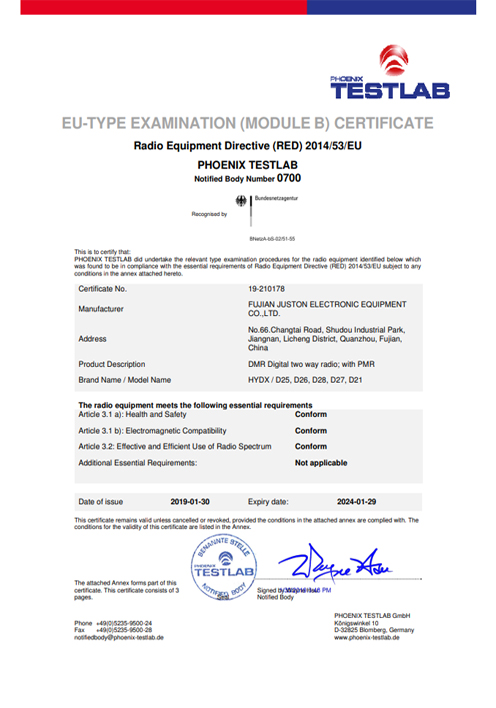
International Safety Certifications: Juston walkie-talkies have obtained international safety certifications such as CE, FCC, IC, and RoHS, signifying compliance with global safety standards.


Use of Safe Materials and Technology: Juston utilizes advanced materials and technology in the design and production process to ensure the safety and durability of its products.

Juston's walkie-talkies are widely used in various fields including public safety, logistics, and tourism, and their reliability and safety have been recognized by customers and verified by the market.

In the future, Juston needs to continue to build itself and bring safer and more convenient communication experience to more industry customers.

One day after thousands of pagers exploded across Lebanon, more explosions of handheld devices, including uhf handheld 2 way radio, mobile phones, laptops and even solar power cells, have killed at least 26 people and injured  more than 3000.


Reports on Wednesday of several blasts quickly spread on messaging apps with people sharing images of exploded walkie-talkies and residential buildings on fire.

 
Japan's Icom Inc., whose brand appears on long range walkie-talkie that exploded in Lebanon, said it halted production a decade ago of the model allegedly used in the attacks and is still investigating the situation.
 
Icom exported its IC-V82 2 way radios to regions including the Middle East until October 2014, when it stopped making and selling the devices, the Osaka-based company said in a statement Thursday. It has also halted production of the batteries needed to operate the main unit, it said.
 
Among the many outstanding questions is how explosive materials were planted in the devices. If the Icom walkie-talkies were first manufactured a decade ago, it’s possible they were modified well after sale to their original customers. The company can’t determine if the products are their own, it said.
 

The company said all its radios are manufactured at a factory in Wakayama Prefecture, adding that it follows safety protocols outlined by government regulations and does not outsource production overseas.


Given that photographs of the devices show severe damage around the battery compartment, the batteries may have been modified with explosives after procurement, Icom director Yoshiki Enomoto was quoted as saying in a Kyodo report.

 
The detonations of everyday electronics may herald a new type of terrorism, according to Mitsuru Fukuda, professor of risk management at Nihon University. "This may increase pressure on companies to expand risk oversight of their supply chains” to include distribution and delivery, he said.


In the face of emergencies, the safety performance of communication equipment is crucial. JUSTON is well aware of this and always adheres to the design philosophy of "safe&reliable, creating excellent quality," committed to developing products that can withstand the test of extreme conditions. Our communication equipment has excellent impact resistance and durability, ensuring normal operation even in hazardous environments.