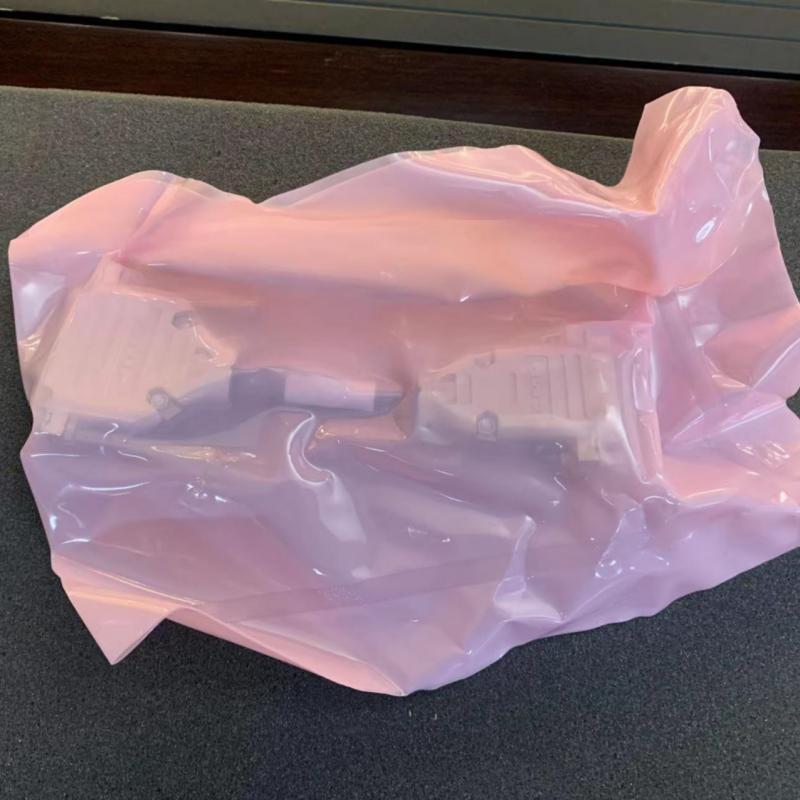
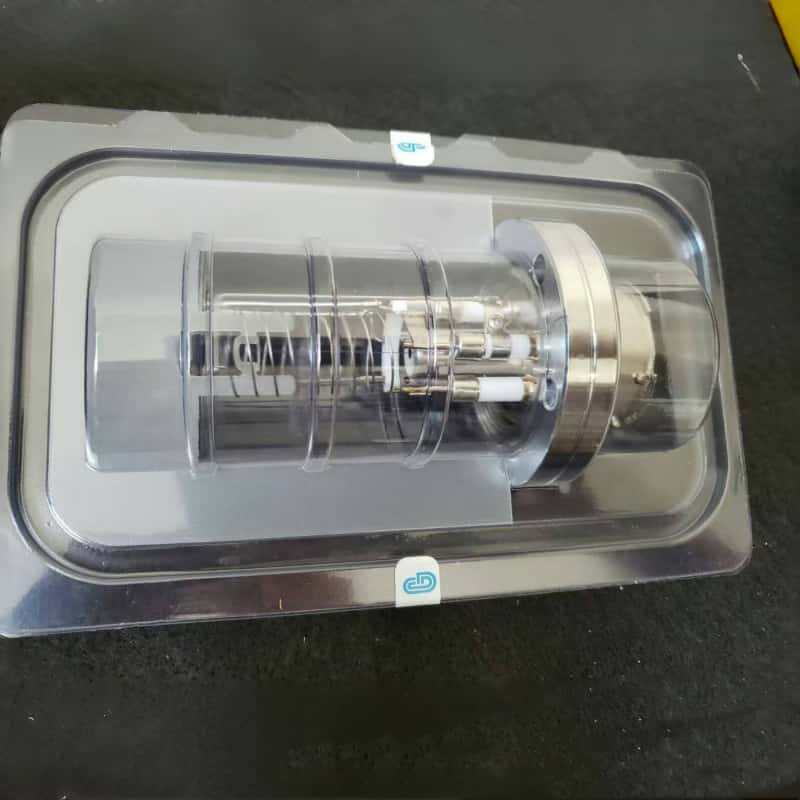
Introducing the Brand New In Stock

LAM 685-166841-001 MDL ELEC DETECTOR WF6 IREPD ALTUS CE


Discover the latest addition to our inventory - the brand new LAM 685-166841-001 MDL ELEC DETECTOR WF6 IREPD ALTUS CE. With the manufacturer warranty and a limited quantity available, secure your order today!

At SEMI LANXI, we are delighted to introduce the highly sought-after LAM 685-166841-001 MDL ELEC DETECTOR WF6 IREPD ALTUS CE, proudly manufactured by LAM RESEARCH. This exceptional device is in brand new condition and is backed by a 30-day warranty post-shipment. We are excited to offer this product, and we currently have one set in stock and ready to be shipped to your doorstep. If you have any queries or need further information, feel free to contact our expert team member, Alex, at alex@semilanxi.com


LAM 685-166841-001 IN STOCK

  • LAM RESEARCH: A Name Synonymous with Quality and Reliability:

As a leading name in the semiconductor industry, LAM RESEARCH has established its reputation as a trusted manufacturer of cutting-edge equipment. The LAM 685-166841-001 MDL ELEC DETECTOR WF6 IREPD ALTUS CE is a testament to the company's commitment to innovation, precision, and superior engineering. By choosing a LAM product, you're investing in a reliable solution that meets the highest industry standards.

  • Top Features of the LAM 685-166841-001 MDL ELEC DETECTOR WF6 IREPD ALTUS CE:
  1. Enhanced Precision: The LAM 685-166841-001 MDL ELEC DETECTOR WF6 IREPD ALTUS CE guarantees accurate detection of electronic signals, offering high precision in even the most demanding environments.
  2. Versatile Functionality: Designed with flexibility in mind, this product is capable of detecting WF6 gas in various semiconductor applications. Its adaptable nature ensures seamless integration into existing workflows.
  3. Quality Construction: Crafted with robust materials and built to withstand rigorous usage, the LAM 685-166841-001 MDL ELEC DETECTOR WF6 IREPD ALTUS CE is engineered to deliver uncompromising performance over an extended lifespan.
  4. Easy Integration: Designed to streamline processes, this device offers straightforward integration with existing systems, eliminating any potential compatibility concerns.


Order Now and Secure Your Investment:
Given the limited availability of the LAM 685-166841-001 MDL ELEC DETECTOR WF6 IREPD ALTUS CE, we encourage you to secure your order promptly. Our product is fully backed by a manufacturer's warranty for 30 days from the date of shipment, providing you peace of mind regarding its quality and performance.

To initiate your purchase or seek additional information, please don't hesitate to contact our dedicated team member, Alex, at alex@semilanxi.com. Alex is here to address any questions or concerns you may have, ensuring your buying experience is both seamless and satisfactory.


For those in search of a brand new LAM 685-166841-001 MDL ELEC DETECTOR WF6 IREPD ALTUS CE, this is an opportunity not to be missed. With its exceptional features and the renowned LAM RESEARCH name, this device promises to elevate your semiconductor processes to new levels of efficiency and accuracy. Don't miss out—reach out to our team member Alex today to secure your order and take advantage of this offering.


With the continuous advancements in technology, the demand for reliable electronic components has steadily increased. One such component that has gained significant attention is thick-film ceramics. These materials play a crucial role in the fabrication of electronic devices due to their excellent thermal conductivity, electrical insulation properties, and high mechanical strength.

In this article, we’ll specifically focus on thick-film Aluminum Nitride (AlN) ceramics and why they are considered a promising choice for various applications. Let’s delve into the unique characteristics that make AlN thick-film ceramics stand out from the rest.

  1. Exceptional Thermal Conductivity:

AlN thick-film ceramics possess remarkable thermal conductivity properties, surpassing other common ceramic materials. This attribute makes them highly desirable for applications where efficient heat dissipation is essential, such as power electronics, heat sinks, and thermal management systems.

  1. Excellent Electrical Insulation:

Another key advantage of AlN thick-film ceramics lies in their outstanding electrical insulation properties. These materials exhibit high breakdown voltage and low dielectric loss, making them ideal for applications in the electronics industry, including semiconductor packaging, microwave devices, integrated circuit substrates, and high-frequency power modules.

  1. Wide Frequency Range:

AlN thick-film ceramics exhibit superior performance across a wide frequency range. This characteristic makes them suitable for applications involving high-speed data transmission, wireless communication systems, and frequency control devices. The stability and reliability of AlN thick-film ceramics in these applications are highly valued.

  1. Compatibility with Semiconductor Processing:

AlN thick-film ceramics are compatible with standard semiconductor processing techniques, such as photolithography, screen printing, and sintering. This advantage allows for precise patterning and integration with other components, facilitating the production of complex electronic devices.

  1. High Mechanical Strength:

With their unique combination of thermal and mechanical properties, AlN thick-film ceramics offer exceptional mechanical strength. This strength ensures the longevity and durability of electronic components, making them highly resistant to mechanical stress, thermal cycling, and vibration.

In conclusion, Aluminum Nitride (AlN) thick-film ceramics provide a compelling solution for various applications in the electronics industry. With their exceptional thermal conductivity, electrical insulation, wide frequency range, compatibility with semiconductor processing techniques, and high mechanical strength, AlN thick-film ceramics offer a promising choice for the fabrication of reliable and efficient electronic devices.

So, whether you’re designing advanced power electronics or working on cutting-edge communication systems, consider exploring the potential of AlN thick-film ceramics to take your innovations to new heights.

Dear Valued Customers and Industry Colleagues,


We are excited to announce that QYT Electronics Co., Ltd. will be participating in the upcoming Global Sources Consumer Electronics show in Hong Kong. We cordially invite you to visit our booth and experience QYT's latest innovative products and technologies firsthand.


Event Details:


   Date: October 11-14, 2024

   Venue: AsiaWorld-Expo, Hong Kong

   QYT Booth Number: 7U33


As a leading global manufacturer of wireless communication equipment, QYT is committed to providing high-quality, cost-effective products to our customers. At this event, we will be showcasing our latest line of handheld walkie talkiesmobile radios, and other innovative communication solutions.


Our professional team will be on-site to provide detailed product introductions and demonstrations, and to answer any questions you may have. This is an excellent opportunity to interact with us directly, learn about the latest industry trends, and explore potential collaboration opportunities.


We look forward to meeting you at the show and discussing the future of wireless communications together.


For more information or to schedule a meeting, please don't hesitate to contact us.


QYT Electronics Co., Ltd.

Booth Number: 7U33

From September 9th to 13th, 2024, the NanoInnovation Conference is taking place in the beautiful city of Rome, Italy. This highly-anticipated event brings together experts and enthusiasts from the field of nanotechnology to discuss the latest advancements and discoveries.


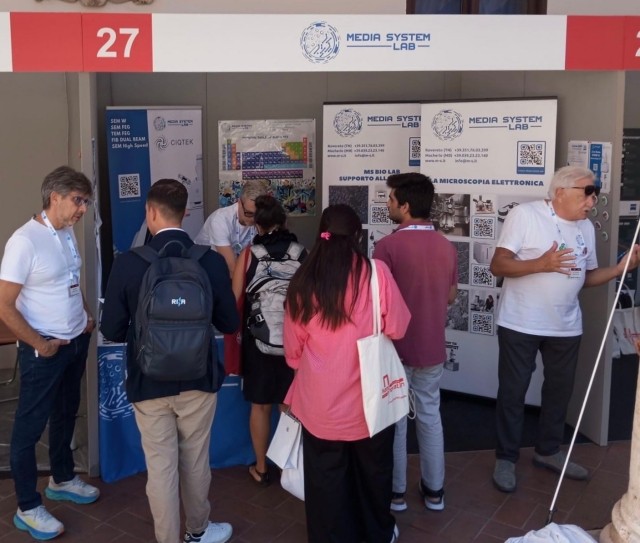
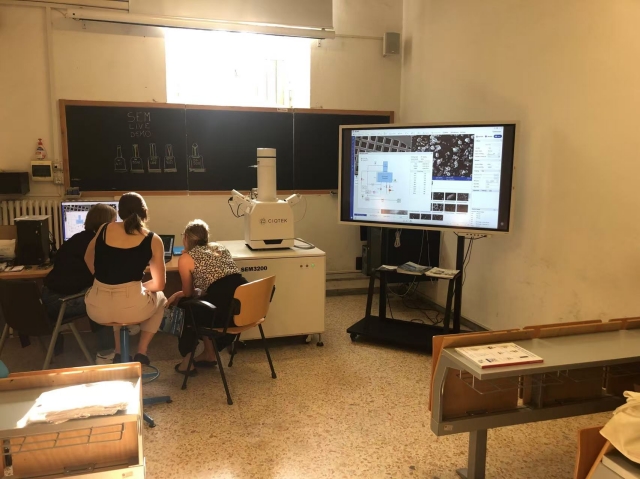
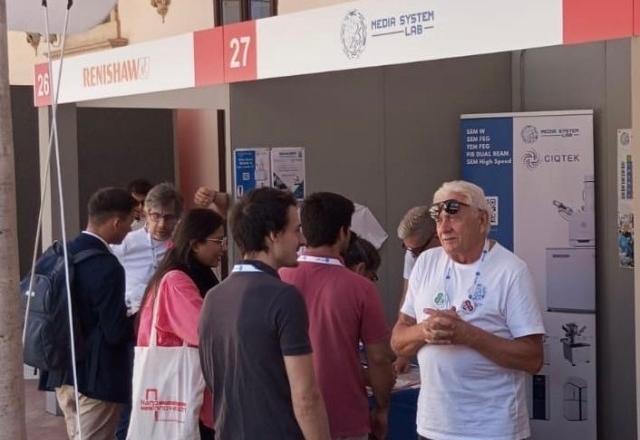
We are thrilled to announce that Media System, the authorized distributor of CIQTEK, is participating in the conference with a live demonstration of the SEM3200 Scanning Electron Microscope, which provides invaluable insights into the nanoworld.


Visitors to the conference can immerse themselves in the world of SEM by exploring booth 27, where Media System has an impressive exhibition. They have SEM-themed merchandise, including SEM t-shirts and badges, to add a touch of style and enthusiasm to the event.


For those eager to witness the power of SEM firsthand, head over to Room 13 for an exciting live demo of the SEM3200. This is a unique opportunity to witness the microscope's capabilities and observe the intricate details of nanostructures with astonishing clarity.


Whether you're a seasoned researcher or a curious enthusiast, don't miss out on this remarkable showcase of nanotechnology at the NanoInnovation Conference in Rome. It's also a fantastic chance to expand your knowledge and network with experts in the field.


Join us at NanoInnovation and dive into the fascinating world of SEM and nanotechnology. See you there!


When it comes to powering various electronic devices and machinery, motors play a vital role. From Brushed DC motors to Micro motors, each type is designed for specific applications. In this article, we delve into the fascinating world of motors and explore the unique characteristics of Brushed DC motors, Electronics motors, Micro motors, Square motors, F180 motors, and Vibration motors. Let’s uncover what sets each type apart and how they contribute to our modern technology.

1. Brushed DC Motor

Brushed DC motors are widely used in numerous applications, thanks to their simplicity and reliability. Using brushes and a commutator, these motors convert electrical energy into mechanical energy, allowing for smooth and controlled rotation. Although they require periodic maintenance due to brush wear, their cost-effectiveness and ease of use make them a popular choice in small-scale projects.

2. Electronics Motor

Electronics motors, also known as Electric Motors, are the workhorses of many devices we use daily. Utilizing the principles of magnetism and electromagnetism, they provide rotational force or linear motion crucial for various gadgets. With their compact size and efficient power delivery, these motors are essential components in appliances, robotics, automotive systems, and more.

3. Micro Motor

Micro motors, as the name suggests, are tiny yet powerful devices commonly found in precision equipment. Their compact size allows for integration into intricate mechanisms, such as smartphones, cameras, and medical devices. Micro motors excel in delivering high torque and achieving precise movements, making them indispensable in modern technology.

4. Square Motor

Square motors, also called Geared Motors, are well-suited for applications that require high torque and slow speed. With a specialized gear system, square motors provide a controlled and consistent rotation ideal for robotics, automation, and certain automotive systems. Their compact design and ability to adapt to various voltages make them a versatile choice in many industries.

5. F180 Motor

F180 motors belong to the high-performance category, offering exceptional power output compared to their size. With advanced design and materials, these motors deliver outstanding performance in demanding applications like aerial drones, remote-controlled vehicles, and hobbyist projects. F180 motors combine compactness, efficiency, and durability, making them a favorite among enthusiasts.

6. Vibration Motor

Vibration motors are unique in their ability to provide controlled vibrations for haptic feedback or alert systems in devices. These motors incorporate an unbalanced mass that generates vibrations when rotated, adding a tactile dimension to user experiences. Vibration motors are prevalent in smartphones, gaming controllers, wearable devices, and other applications where tactile feedback enhances the user interface.

In conclusion, each motor type discussed in this article brings its own set of advantages and applications. Whether you require simplicity, precision, power, or haptic feedback, there is a motor available to suit your needs. Understanding the characteristics and capabilities of Brushed DC motors, Electronics motors, Micro motors, Square motors, F180 motors, and Vibration motors helps us appreciate the intricate role they play in powering our modern electronic devices and machinery.


The Role of RFID Readers and Tags in Warehouse Goods Localization

As the logistics and warehousing industries rapidly develop, efficiently and accurately managing and locating goods in warehouses has become key to enhancing operational efficiency. Radio Frequency Identification (RFID) technology, as an advanced automatic identification and data collection technology, is increasingly being applied in warehouse management. This article will discuss the role of RFID readers and tags in warehouse goods localization, and illustrate the advantages and disadvantages of different frequency RFID systems through specific project examples.


Overview of RFID Technology

RFID technology transmits data through radio waves and mainly consists of RFID tags and RFID readers. Tags are attached to items and contain a small antenna and a chip to store information about the items, while readers are used to read and write data from and to the tags. Based on different operating frequencies, RFID systems can be divided into three categories: Low Frequency (LF), High Frequency (HF), and Ultra High Frequency (UHF).


Low Frequency (LF) RFID Systems

Advantages

  1. Strong Penetration Ability: LF RFID systems operate in the frequency range of 30 kHz to 300 kHz, and their signals can penetrate water and non-metallic materials, making them suitable for humid and obstacle-rich environments.
  2. Lower Cost: The production cost of LF RFID tags and readers is relatively low, suitable for cost-sensitive applications.

Disadvantages

  1. Short Reading Distance: LF RFID typically has a reading distance of only a few centimeters to tens of centimeters, limiting its application in wide-range goods localization.
  2. Low Data Transmission Rate: LF RFID has a low data transmission rate, unsuitable for scenarios requiring rapid reading of a large number of tags.

Application Example

In a food processing company's warehouse, due to the high humidity and the need to penetrate packaging materials to read information, an LF RFID system is used to track and manage goods. In this case, the LF RFID system can ensure stable performance in humid environments. However, due to its short reading distance, the company had to install more readers to cover the entire warehouse, increasing the system's complexity.


High Frequency (HF) RFID Systems

Advantages

  1. Moderate Reading Distance: HF RFID systems operate in the frequency range of 3 MHz to 30 MHz, with a reading distance generally between a few centimeters and one meter, suitable for medium-range item tracking.
  2. Strong Anti-interference Ability: HF RFID performs well in environments with metallic objects and has strong anti-interference capabilities.

Disadvantages

  1. Moderate Cost: Compared to LF systems, HF RFID is slightly more expensive but still within an acceptable range.
  2. Moderate Reading Speed: The reading speed of HF RFID is faster than LF RFID but not as fast as UHF RFID, suitable for medium-speed reading requirements.


Application Example

In a clothing retail company's warehouse, HF RFID systems are used to manage and locate goods. Clothing is usually made of different materials, and HF RFID tags can effectively read the information of tags wrapped in various materials, providing accurate goods localization. Despite its limited reading distance, it still operates effectively in a rela

tively concentrated warehouse environment.


Ultra High Frequency (UHF) RFID Systems

Advantages

  1. Long Reading Distance: UHF RFID systems operate in the frequency range of 300 MHz to 3 GHz, with reading distances reaching several meters to even tens of meters, ideal for wide-range goods tracking.
  2. Fast Reading Speed: UHF RFID has a high data transmission rate, capable of quickly reading large numbers of tags, enhancing warehouse operational efficiency.
  3. Large Tag Capacity: UHF RFID tags can store more information, facilitating complex inventory management.

Disadvantages

  1. Higher Cost: UHF RFID systems have higher tag and reader costs, suitable for companies with sufficient budgets.
  2. Susceptibility to Interference: UHF RFID systems are more prone to interference in environments with metal and water, which may affect reading performance.

Application Example

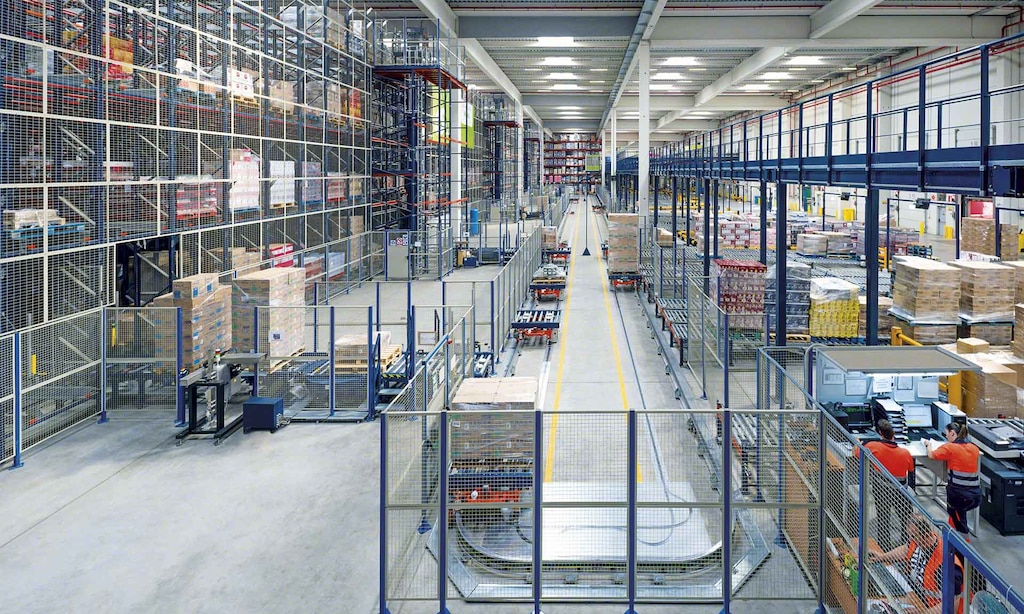
In a large e-commerce warehouse, a UHF RFID system is used to manage and locate a vast number of goods. The warehouse handles various types of goods in large quantities, and UHF RFID's long reading distance and fast reading capability can effectively handle the high frequency and large volume of goods entering and leaving the warehouse. Additionally, deploying a few high-performance readers can cover a large warehouse area, reducing system complexity and deployment costs.


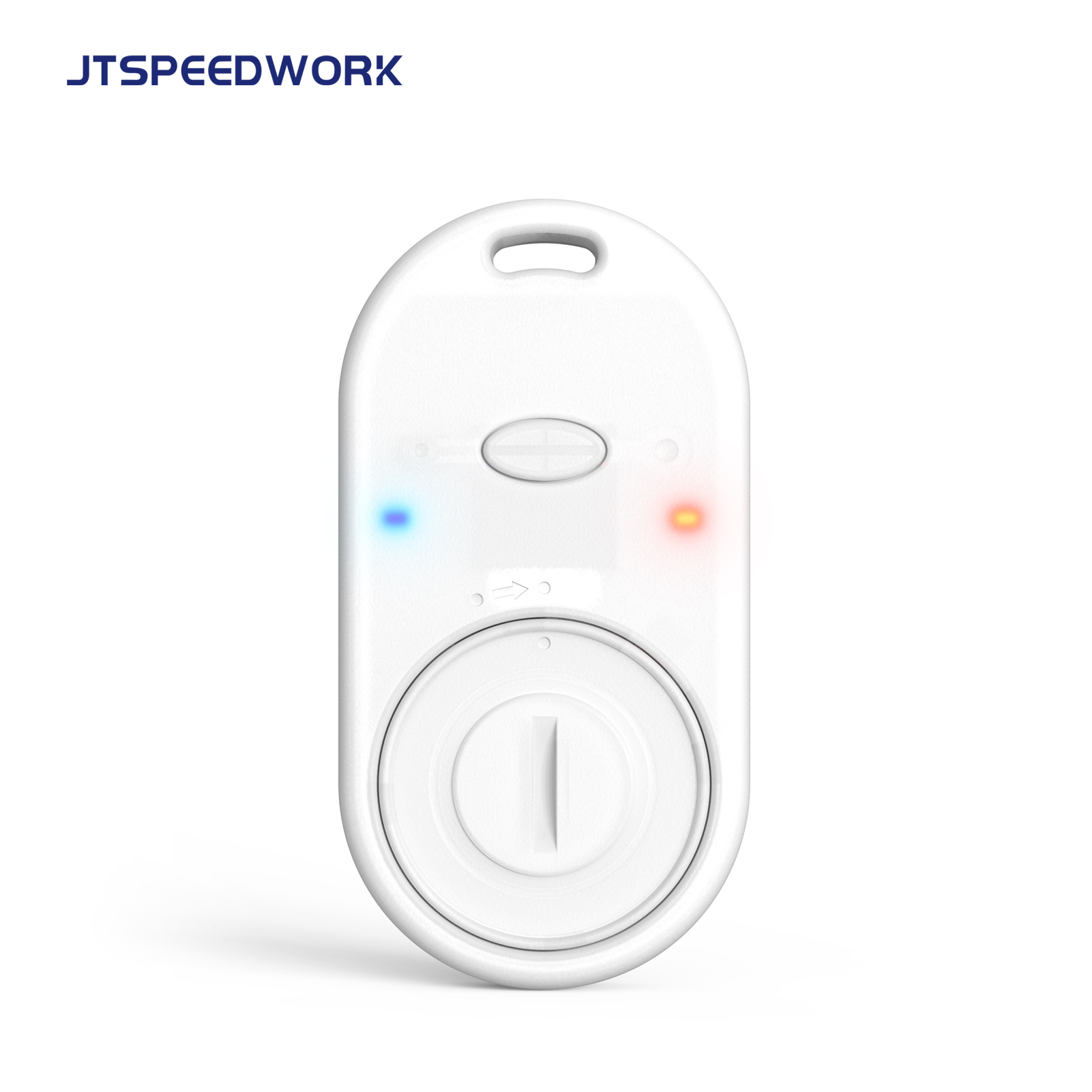
2.4G Active Tag


RFID (Radio Frequency Identification) technology is increasingly being applied in modern livestock farming, particularly in animal identification and tracking. By using RFID, farmers and ranch managers can efficiently manage large herds, improve management efficiency, and ensure animal health and safety.


RFID Readers and Tags Frequency Bands

In livestock farming, commonly used RFID tags and readers operate mainly in two frequency bands: Ultra-High Frequency (UHF, 860-960 MHz) and Low Frequency (LF, 125-134.2 kHz). Each frequency band has its specific advantages, disadvantages, and application scenarios:

  • Ultra-High Frequency (UHF): UHF RFID tags and readers have a longer reading range (typically between 1-12 meters), making them suitable for use in open pastures. This frequency band allows for remote identification and data collection without disturbing the animals, which is ideal for managing large herds.
  • Low Frequency (LF): LF RFID tags and readers have a shorter reading range (usually within 10 centimeters), but they are less sensitive to interference from metal and water. This makes them suitable for applications such as livestock ear tags, where close-range reading is required. LF tags are widely used in livestock management due to their stability in harsh environmental conditions.

Working Principle of RFID Systems

An RFID system consists of tags, readers, and a backend management system:

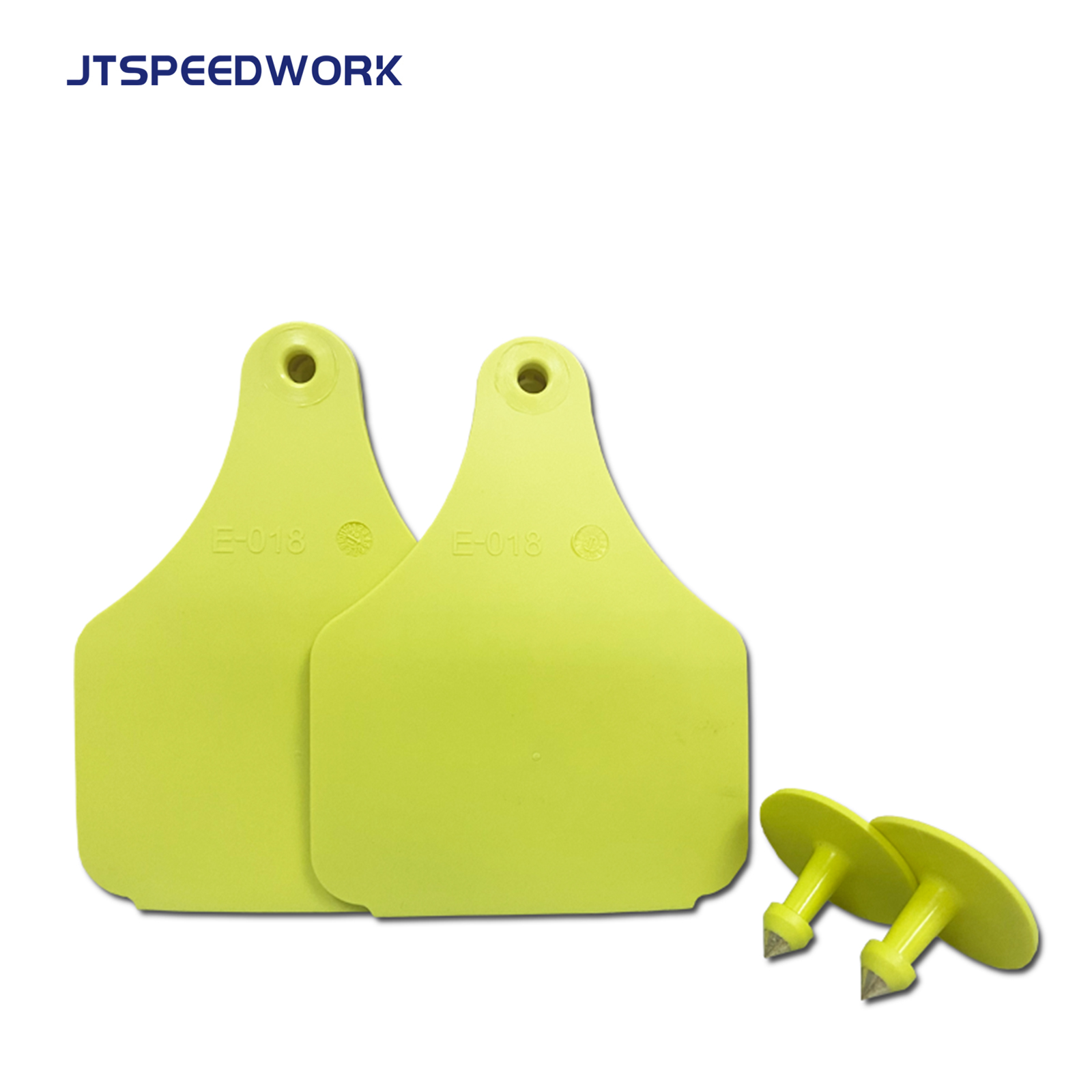
  1. RFID Tags: Each animal wears an RFID tag, usually in the form of an ear tag. The tag contains a small chip and an antenna, with the chip storing a unique identifier and other data.
  2. RFID Readers: Installed at various locations on the farm, readers emit radio signals. When an animal passes by, the tag receives the signal and responds with its ID information. The reader then receives and decodes this information, transmitting it to the backend system
  3. Backend Management System: The system stores and analyzes the data collected by the readers. Farmers can use software to view and manage information for each animal, such as birth date, health records, and vaccination history.

Advantages

The application of RFID technology in animal identification and tracking has numerous advantages:

  • Accuracy and Efficiency: Traditional manual record-keeping methods are prone to errors and time-consuming. RFID systems automate data collection and management, reducing human errors and improving management efficiency.
  • Real-time Monitoring: RFID readers can collect and update animal information in real-time, allowing farmers to promptly understand the status of each animal and take necessary actions, such as isolating and treating sick animals.
  • Convenience and Safety: With RFID technology, farmers can obtain information about each animal without close contact, reducing operational difficulty and safety risks.
  • Traceability: RFID systems record detailed information for each animal, enabling full traceability from birth to slaughter. This aids in quality control and market regulation, increasing consumer confidence in products.
  • Scalable Management: For large-scale farms, RFID technology makes managing large numbers of animals feasible. Farmers can easily track thousands of animals, ensuring each one receives appropriate attention and care.

In summary, the application of RFID technology in livestock farming not only enhances management efficiency but also ensures animal health and safety. It holds great promise and offers significant economic benefits.

UHF RFID Tags


Every year there are very many disasters and accidents around the world, which have a great impact on society, so how to ensure effective scientific protection in the event of a disaster, firefighting equipment is the umbrella of life, so the construction of firefighting facilities has a very great significance, RFID firefighting equipment management technology can be effectively managed. The management and maintenance of fire equipment are crucial. When a disaster occurs, the fire equipment becomes an effective guarantee of life, so each piece of equipment needs a complete record of information, and should be replaced as soon as it is found to be damaged. The use of advanced information technology, strengthen the information management capabilities, strengthen the supervision of the inspection process, improve the management level of the entire fire apparatus, to eliminate potential safety hazards has been a matter of urgency.


  • RFID fire apparatus management
How to carry out scientific management and purchase? Purchase of fire equipment, registration of fire equipment, the establishment of inspection and scrapping system to effectively ensure the availability of fire equipment. The core of the management of fire equipment is to establish a basic database, and in various key points of data collection and reading and writing, RFID identification technology can meet a variety of needs, so the RFID technology used in the management of fire equipment. Therefore, the use of RFID technology in the management of fire equipment. Avoid the manual operation and record the time consumption and error, for the fire equipment to implement security.

RIFD technology using wireless electromagnetic waves to achieve non-contact data acquisition and reading, can work in complex environments, and RFID also has the uniqueness, can not be imitated, so that all the effective security. The fire department can carry out all kinds of information prompts on RFID tags, through the development of the plan to carry out effective implementation. By installing RFID tags on the fire equipment, corresponding to the asset information storage, to accurately collect and read the detailed information. The RFID electronic tag can record the purchase information of fire equipment, installation time, responsible person, inspection time and other important information.

Establish complete fire electronic file, the management department arranges the inspection personnel to inspect the fire equipment inspection work, found and damaged fire equipment, check the equipment purchase time, use situation, timely replacement, and form an effective record, in order to prepare for the subsequent query. Can be set up in the basic information to determine the location of the fire equipment, as well as inspection records, real-time inspection of personnel operating information for effective supervision. In this way RFID fire equipment management technology effectively and scientifically manage each piece of equipment, timely detection of the use of equipment, comprehensive analysis of the system's various records for management.


  • RFID fire equipment management
Internet of Things RFID technology in the field of fire protection, including the application of fire alarm system, electrical fire monitoring system, fire hydrant monitoring system, fire emergency evacuation system, fire supervision and inspection of business applications, fire daily management applications, fire inspection applications. Fire IOT is based on radio frequency identification technology (RFID) and intelligent sensing technology. Each fire protection facility that needs to be monitored is affixed with RFID electronic tags, and the automatic identification of the target object and access to the object information is realized through RFID technology. The fire protection facilities that need to be monitored use intelligent sensing technology to realize on-line monitoring. The intelligent sensing technology uses the sensing technology, the microcontroller technology, the communication technology, through the miniature sensor realizes to the space environment and the monitoring object real-time perception and the detection, and accesses the network so that the firefighting personnel at all levels can real-time monitor the equipment's operation.

RFID technology will make the fire daily management become more effective and concise. Through the RFID intelligent sensors on the fire fighting facilities will fire fighting facilities work real-time transmission, timely understanding of the operation of fire fighting equipment, timely detection of fire hazards. Daily inspection, inspectors configure RFID radio frequency identification equipment terminal can patrol the point of data collection, real-time understanding of the operation of the fire apparatus.

Fire apparatus and facilities is the guardian of safety, to ensure that the maintenance and management of fire apparatus and facilities is of great significance. The use of advanced information technology to strengthen the ability of information management, the need to strengthen the supervision of the inspection process, thereby improving the management level of the entire fire apparatus, arrive at the elimination of hidden safety hazards. The establishment of information data on fire apparatus and equipment, and the collection of data and information at various key points. RFID technology is used in the management of fire equipment, so that the management of equipment becomes easy and simple, to avoid manual operation and recording of various data errors and time consuming, to solve the problems in the existing management mode, for the safe use of fire equipment to get a strong guarantee. rfid technology to make the management of fire equipment more efficient!


  • RFID fire extinguishers management

At present, the management of fire extinguishers are still manually checking, manual records, inspection records are filed in paper form, the inspection process found in the accident, such as fire extinguishers have been turned on, the weight is not enough, insufficient air pressure and other phenomena, are filled out a separate form to record, and after the record it is easy to confuse the extinguishers because the appearance of the extinguishers have a certain degree of similarity, it is not easy to identify. Encountered an emergency, or the need to view the specific information of a fire extinguisher, often can not get the relevant information of the fire extinguisher in a timely manner, to pursue the responsibility, there are often responsible for the phenomenon of unclear, etc., the loss of a fire extinguisher information will affect many of the management of fire extinguishers, and whenever it comes to the replacement of fire extinguishers, it is more of a problem. If the production date of fire extinguishers accumulated over time, ambiguous, it is difficult to have grasped whether the need to send repair or expiration date, fire management department inspections, even if you can barely see, but also to calculate the date of inspection supervision is inefficient.

Based on the RFID technology fire equipment management system through the fire equipment on the installation of RFID tags, in the background binding the corresponding assets information, in the key nodes and processes, through the collection of RFID tags information, to accurately obtain to the assets of the detailed information.


Demand for the use of electronic tags in the fire industry
The fire extinguisher from the factory, the daily check to the maintenance and the scrapping, the management mainly concentrates in the maintenance and the check two aspects, but these two aspects must be for each different fire extinguisher.

(1) Maintenance
Maintenance is mainly to check the storage environment of the fire extinguisher, such as should be avoided upside down, rain, exposure, strong radiation and contact with corrosive substances, fire extinguishers placed, should be kept dry and ventilated to prevent corrosion of the cylinder by moisture. Under normal climatic conditions, can maintain a good environment for fire extinguishers stored.

(2) inspection
Inspection is the most important work. Security Office of the fire extinguishers at least once a quarter to check the situation, the inspection includes: the responsible person to maintain the implementation of the duty, the fire extinguisher pressure value is in the normal pressure range, whether the safety pin and seal is intact, placed firmly, no buried pressure, fire extinguishers in the validity of the period, etc., to check the effective state of the fire extinguishers to be made into the "fire extinguisher inspection records ", archived for verification.

The core of the electronic tag is the RFID chip, each chip has its own "ID card": a globally unique digital code, and this digital code in the factory production has been solidified in the chip, can not be changed, based on this feature, each fire extinguisher can be labeled through the electronic tag or labeling the unique identification, binding the production date, manufacturer, send for repair, whether it should be sent for repair or scrapping information, etc., at a glance, in line with the Internet of Things. At a glance, in line with the background of the development of the Internet of things. Through the electronic label on the fire extinguisher to realize the computerized management, overcome the fire extinguisher quantity is numerous, need to be cumbersome backward manual maintenance, check the record work, the fire management department can through the system can real-time supervision and inspection should be sent to the repair, expiration date, scrapping of fire extinguishers, standardize the market management.

Fire protection enterprises to fire extinguishers and other fire equipment sealing the main purpose is to regulate the fire extinguisher market management, to prevent the sale of illegal, expired or unqualified fire extinguishers on the fire extinguisher, especially with a large number of fire extinguishers, schools, factories, etc. to achieve computerized management, and at the same time to facilitate the local fire department, fire safety throughout the city, as well as fire extinguishers, the inspection and supervision.

RFID function and practicality of more and more industries began to pay attention to, RFID non-contact identification, reading fast, recognition of multi-information, recognition of the distance and other characteristics of the use of RFID quickly expanded to various fields in the management of fixed assets, RFID plays a very important role. With the rapid construction of the city, the full utilization of resources, safety and security has become a major construction of the basic. Fire safety protection also increases with the management of fire apparatus will be a major line of defense for life safety guarding. The introduction of intelligent city, fire will also enter the intelligent construction. Intelligent firefighting is also thus put on a new agenda. Intelligent fire protection is to the Internet of Things, virtualization, geospatial services and other advanced technologies to achieve the dynamic collection of fire professional data, real-time monitoring and scheduling of firefighting and rescue forces such as firefighting equipment, emergency rescue equipment, real-time inspection of the key units of fire protection facilities, and real-time access to images of key locations and firefighting and rescue plans.