Drone countermeasure technologies can be broadly classified into two categories: soft countermeasure (non-destructive) and hard countermeasure (destructive) technologies.


Soft countermeasure techniques


Signal jamming: by interfering with the communication signals between the drone and its pilot, the drone loses control, forcing it to land or return. This method has the advantage of causing no damage to the drone itself, but requires legal authorisation and appropriate equipment.


GPS Spoofing: Disorientating the drone or landing it in a specified location by sending false GPS signals. This method requires precise techniques and equipment to ensure it does not affect other legitimate GPS devices.


Radar and acoustic jamming: using radar or acoustic technology to jam the drone's sensors so that they do not function properly. This method is effective for specific models of drones, but may be limited by environment and distance.


Hard countermeasure technologies


Net-capture systems: use net guns or specialised drone-launching nets to capture the target drone and land it safely. This method is more effective in controlling drones and does not harm the surrounding environment.


Laser Weapon: Directly destroys key components of the drone through high-energy laser beams, rendering it uncontrollable. This method is more destructive to the targeted drone, but requires precise aiming and high-energy laser equipment.


Directed energy weapons: use directed energy (e.g. microwaves) to interfere with or destroy the drone's electronic systems, rendering them inoperable. This method requires high-powered directed energy equipment for specific environments and distances.


Our company's products (including: Fixed-type navigation deception  equipment, fixed-type omnidirectional jamming equipment, portable reconnaissance and jamming integrated anti-drone equipment ) are mainly in the way of soft countermeasure(signal jamming and GPS spoofing) to interfere with the UAV.
Introduction


In a world where the line between day and night can dictate the course of activities, night vision devices (NVDs) have become indispensable tools. From military operations to wildlife observation and nighttime photography, these devices have revolutionized how we interact with our environment in low-light conditions. This blog explores the fascinating technology behind night vision devices, their applications, and their evolution over the years.

What Are Night Vision Devices?

Night vision devices are optical instruments that allow users to see in low-light conditions or complete darkness. They work by amplifying the available light (infrared light, moonlight, starlight) to create a visible image. There are three primary types of night vision devices:

1. Image Intensifiers: These devices collect tiny amounts of light, including the lower portion of the infrared light spectrum, that are present but may be imperceptible to the naked eye. They then amplify it to a level that can be easily seen.

2. Thermal Imaging: These devices detect the heat emitted by objects. All objects emit infrared radiation, which increases with temperature. Thermal imagers detect this radiation and create an image based on the temperature differences.

3. Digital Night Vision: These devices use digital sensors to collect light, which is then processed and displayed on an LCD screen. They often provide clearer images than traditional image intensifiers and can also be used during the day.

Applications of Night Vision Devices

Night vision devices have a wide range of applications across various fields:

1. Military and Law Enforcement: NVDs are crucial for nighttime operations, surveillance, and navigation. They provide a significant tactical advantage in low-light conditions.

2. Wildlife Observation and Conservation: Researchers and wildlife enthusiasts use NVDs to observe nocturnal animals without disturbing their natural behavior.

3. Search and Rescue: During rescue missions in dark environments, NVDs can help locate and save individuals more efficiently.

4. Nighttime Photography and Videography: Photographers and filmmakers use night vision technology to capture images and videos in low-light conditions.

5. Home Security: Night vision cameras are common in home security systems, providing visibility in dark areas around the property.

Evolution of Night Vision Technology

The development of night vision technology dates back to World War II. The first-generation NVDs were large, cumbersome, and required infrared light sources to illuminate the scene. Over the years, advancements in technology have led to the creation of more compact, lightweight, and efficient devices.

First Generation (Gen 1): Introduced in the 1960s, these devices used image intensifier tubes to amplify available light. They required an infrared illuminator and had limited range and clarity.

Second Generation (Gen 2): Developed in the 1970s, Gen 2 devices featured improved image intensifier tubes and did not require an infrared illuminator. They offered better resolution and range.

Third Generation (Gen 3): These devices, developed in the 1980s, used gallium arsenide in the image intensifier tubes, significantly improving image quality, light amplification, and device longevity.

Fourth Generation (Gen 4): The latest advancement, these devices offer improved signal-to-noise ratio, higher resolution, and greater light sensitivity, providing superior performance in the darkest environments.

Choosing the Right Night Vision Device

When selecting a night vision device, consider the following factors:

1. Purpose: Determine the primary use (e.g., hunting, security, wildlife observation) to choose the appropriate type of NVD.

2. Generation: Higher generations (Gen 2, Gen 3, Gen 4) offer better performance but come at a higher cost. Select the generation that fits your needs and budget.

3. Magnification: Consider the level of magnification required. Higher magnification can reduce the field of view and image clarity.

4. Durability: Ensure the device is rugged and waterproof, especially for outdoor use.

5. Battery Life: Longer battery life is crucial for extended use, especially in remote areas.

Conclusion

Night vision devices have transformed how we perceive and interact with the world in darkness. From their military origins to their widespread civilian applications, NVDs continue to evolve, offering enhanced performance and accessibility. Whether for security, exploration, or research, night vision technology opens up a new realm of possibilities, allowing us to see beyond the darkness.

Have you ever struggled to find a reliable solution for hanging and organizing items? Look no further than Magnetic Hooks Heavy Duty Strong Swivel Magnet Hooks for Hanging. These versatile and powerful hooks are revolutionizing the way we hang things, providing a secure and convenient solution for a wide range of applications.

Unleash the Power of Magnetic Assemblies

Magnetic assemblies bring a host of benefits that have been utilized in various industries for decades. From manufacturing and construction to organizing and decorating, magnets have proven to be versatile tools that simplify our daily lives. The Magnetic Hooks Heavy Duty Strong Swivel Magnet Hooks take this power to a whole new level.

Reliable and Handy

Featuring a heavy-duty construction, these hooks are designed to hold up to 65 pounds of weight, ensuring that your items remain safe and secure. Whether you’re organizing tools in your garage, hanging kitchen utensils on a metal wall, or even suspending plants from the ceiling, these magnet hooks provide the strength and reliability you need.

360-Degree Swivel

One of the standout features of these hooks is their ability to swivel 360 degrees. This means you can easily adjust and direct the hook to the exact position that suits your needs. No more struggling with fixed hooks that limit your options. With the Magnetic Hooks Heavy Duty Strong Swivel Magnet Hooks, you have the freedom to position your items in the most convenient way possible.

Versatile Applications

The possibilities with these hooks are endless. Whether you’re a DIY enthusiast, a professional organizer, or simply seeking a practical and sturdy solution for hanging and organizing, these magnetic hooks are perfect for:

  • Hanging tools in your workshop or garage

  • Organizing kitchen utensils, keys, and other small items

  • Displaying artwork, photos, or decorations

  • Hanging plants or bird feeders

  • Storing cables, cords, or hoses

  • Creating a magnetic display for your magnetic assemblies collection

Easy Installation and Removal

The Magnetic Hooks Heavy Duty Strong Swivel Magnet Hooks are as easy to install as they are to remove. Simply place them on any metal surface, and they will instantly adhere securely. When it’s time to remove or reposition them, a gentle twist is all it takes. No holes to drill, no damage to your walls or surfaces – just convenience at your fingertips.

Get Organized Today

It’s time to say goodbye to messy spaces and inefficient hanging solutions. With Magnetic Hooks Heavy Duty Strong Swivel Magnet Hooks for Hanging, you can finally achieve the organized and clutter-free space you’ve always desired. Whether in your home, office, or workshop, these hooks will simplify your life and unleash the power of magnetic assemblies.

Order your set of Magnetic Hooks Heavy Duty Strong Swivel Magnet Hooks for Hanging today and experience the convenience and strength of these revolutionary hooks. Embrace the power of magnets and transform the way you hang and organize your space.

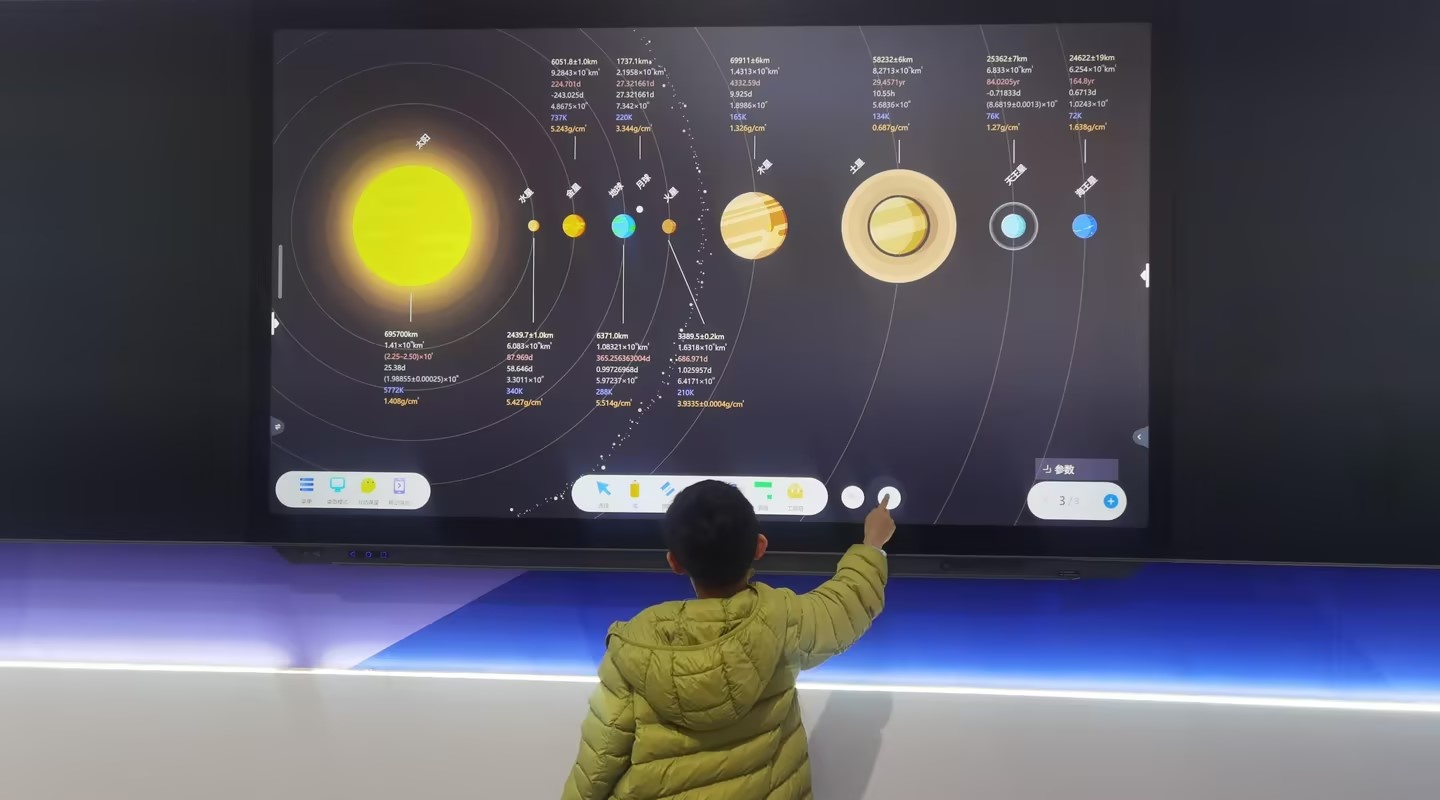
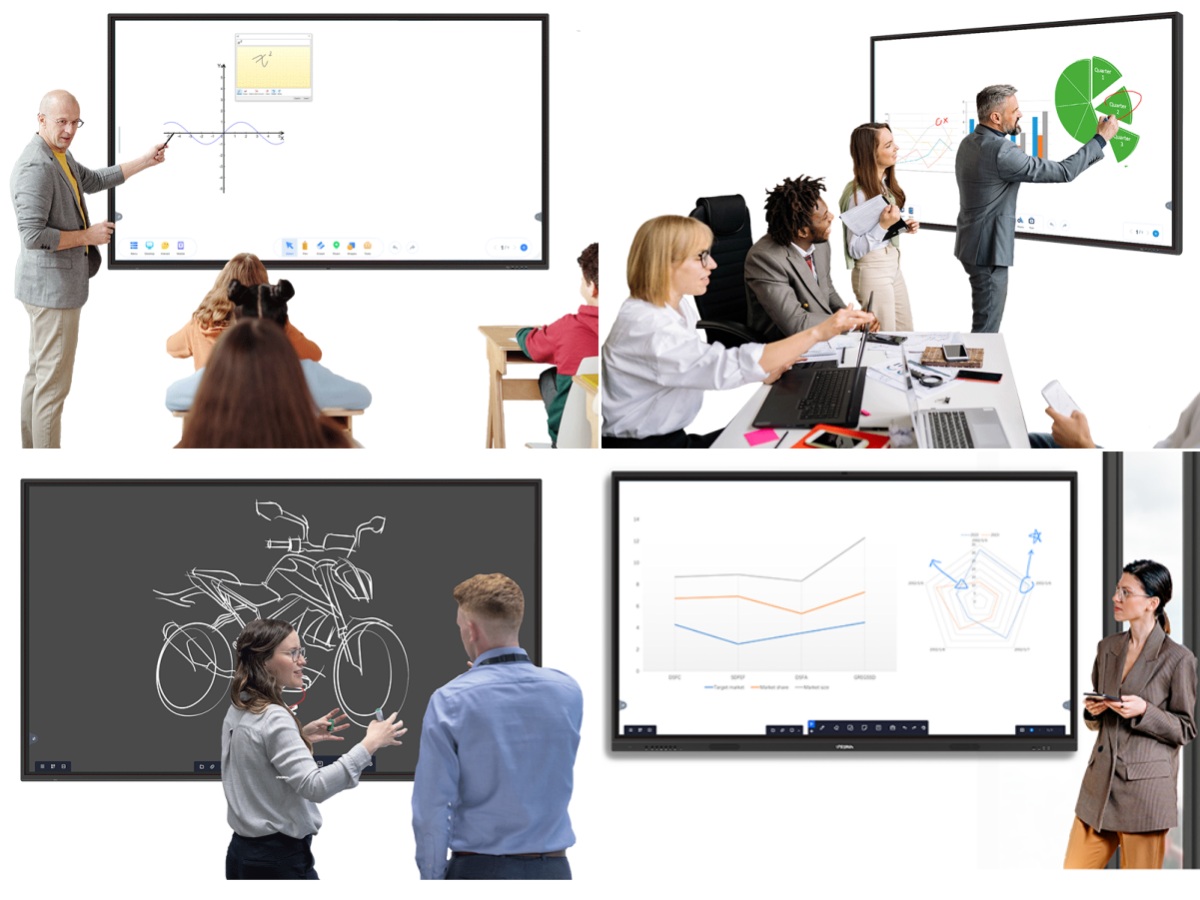
The versatility of interactive flat panels are extensively used across various industries and scenarios. Here are some of the main use cases and sectors:


Interactive Flat Panels✅ Education: In schools and universities, these boards are utilized to create interactive lessons, enhancing the learning experience for students. Teachers can use them to present content, annotate over videos and images, and even conduct virtual classes.
✅ Corporate Meetings: Businesses employ interactive flat panels to enhance collaboration during meetings, especially when team members are in different locations. They can share information, brainstorm ideas, and showcase presentations.
✅ Healthcare: In hospitals and clinics, these boards aid in explaining medical procedures and diagnoses to patients. They also facilitate remote consultations between doctors.
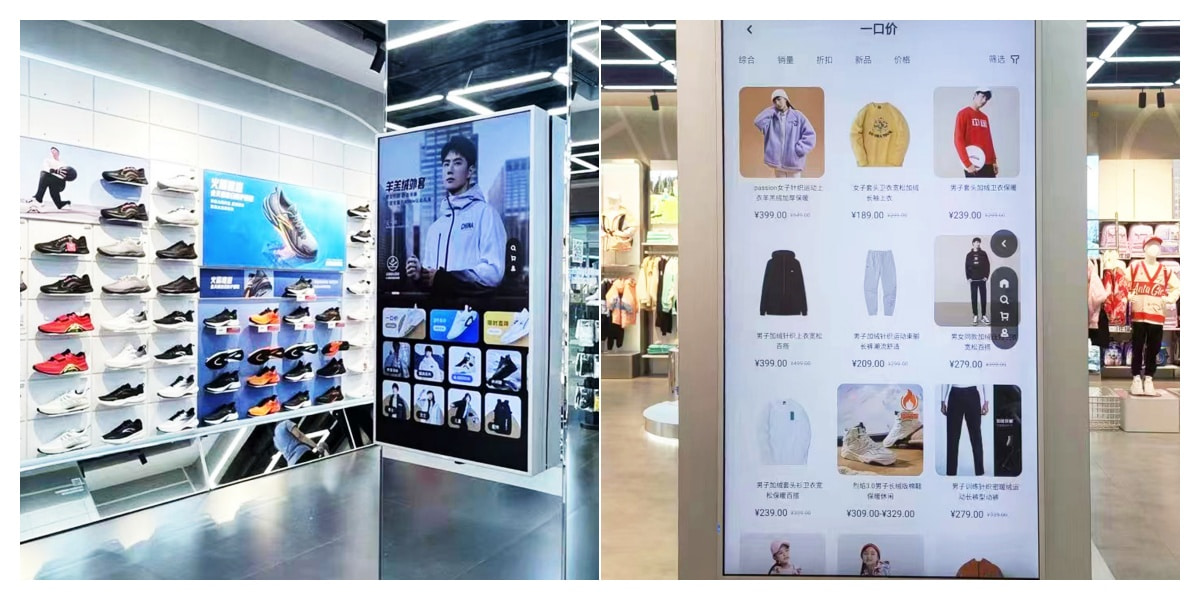
✅Retail:  Retailers use interactive flat panels to display interactive store directories, provide product information, and offer self-service options like self-checkout.
✅ Events and Trade Shows: Exhibitors use them to attract attendees with interactive presentations and demonstrations, providing a unique engagement experience.
✅ Training and Workshops: Interactive flat panels are employed in training sessions to walk participants through materials, simulate scenarios, and facilitate group exercises.
✅ Government and Public Sector: Government agencies utilize these boards to disseminate public information, improve citizen services, and streamline internal workflows.
✅ Design and Architecture: Designers use them to present and iterate on designs with clients, making the design process more collaborative and transparent.
✅ Manufacturing: In factories, interactive flat panels assist in production planning, quality control, and employee training.
✅ Creative Industries:  Advertising and marketing firms use them for creative brainstorming and presenting campaign ideas to clients.
✅ Science and Research: Researchers use interactive flat panels for data visualization, simulations, and collaborative research.
✅ Sports and Fitness: In gyms and sports facilities, they are used for demonstrating workout routines, analyzing techniques, and providing virtual training.

These are just a few examples of the wide-ranging applications of interactive flat panels. Their versatility and ability to enhance interactivity and collaboration make them a valuable tool across many different fields.

The widespread application of digital signage has revolutionized the way information is displayed and consumed in both commercial and non-commercial settings. Here are some key areas where digital signage is extensively used:


Digital Signage Displays


Retail: Digital signage in retail environments enhances the shopping experience by displaying dynamic content such as promotions, product information, and way finding. Interactive screens can also provide personalized recommendations to customers.


Hospitality: In hotels and restaurants, digital signs are used for welcoming guests, displaying menus, providing directional guidance, and sharing local attractions or hotel amenities.


Education: Schools and universities utilize digital signage for campus-wide communication, displaying event schedules, announcements, and emergency messages. Interactive displays also enrich the learning experience.


Healthcare: In hospitals and clinics, digital signage helps with patient way finding, displays waiting times, and provides important health information or educational content.


Corporate Lobbies: Companies use digital signage in their lobby areas to welcome visitors, display company news, promote corporate culture, and inform about upcoming events.


Transportation: Airports, train stations, and bus terminals employ digital signage for real-time travel updates, navigation assistance, and advertising.


Museums and Galleries: Digital displays offer interactive experiences, providing additional information about exhibits and enhancing the visitor's understanding and engagement.


Events and Trade Shows: For promoting products, guiding attendees, and displaying schedules, digital signage is indispensable at various events and exhibitions.


Government Facilities: Government buildings use digital signs for public service announcements, civic information, and emergency notifications.


Outdoor Advertising: Large format digital billboards and street furniture displays are used for high-impact advertising in urban environments.


Sports Venues: Stadiums and arenas use digital signage for scoring updates, fan interaction, and sponsor advertisements.


Financial Institutions: Banks and financial service centers employ digital signage to display financial information, market updates, and promotional offers.


Fitness Centers: Health clubs and gyms use digital screens to show class schedules, workout tips, and motivational content.


Digital signage offers flexibility and instant update capabilities, making it a powerful tool for managing and disseminating information in real-time. Its interactivity and integration with modern technologies like touchscreens, artificial intelligence, and the Internet of Things (IoT) continue to expand its applications across various industries.

In the wave of educational digitization, whiteboard software holds significant importance. It transforms traditional classrooms and meeting rooms into interactive learning environments, enhancing engagement and collaboration between teachers and students or among colleagues. Whiteboard software allows for dynamic presentations, direct manipulation of digital content, and real-time sharing of ideas, which supports a more participative and interactive approach to teaching and learning.


whiteboard software

Here are some key points highlighting the importance of whiteboard software in the context of educational digitization:

Interactive Learning: Whiteboard software makes lessons more interactive by allowing teachers to create, annotate, and manipulate digital content directly on the board, which can then be seen and interacted with by students using their own devices.


Enhanced Engagement: Students are more engaged when they can actively participate in the learning process. Whiteboard software often includes multi-touch capabilities, enabling multiple users to collaborate simultaneously on problems, experiments, or creative projects.


Flexibility and Accessibility: Educational content becomes more accessible as whiteboards can be connected to various input devices like computers, tablets, and smartphones, providing flexibility in how materials are presented and interacted with.


Suitable for All Ages and Subjects: The versatility of whiteboard software makes it suitable for learners of all ages and across different subjects, from mathematics and science to language arts and design.


Real-Time Feedback: Teachers can provide immediate feedback on student work, helping to identify and address misconceptions promptly, which is crucial for effective learning.


Collaboration Across Distances: For distance learning and remote education, whiteboard software facilitates collaboration regardless of geographical barriers, allowing students and educators to interact as if they were in the same room.


Integration with Digital Tools: Whiteboard software often integrates with other digital tools and resources such as educational apps, websites, and online resources, making it easier to incorporate multimedia content into lessons.


Recordkeeping and Revision: Sessions on the whiteboard can be saved and revisited, serving as a valuable resource for revision and ensuring that no information is lost after the class.


Adaptability to Teaching Styles: Whiteboard software can adapt to various teaching styles, whether it's project-based learning, flipped classrooms, or traditional instruction methods.


Future-Proofing Education: As technology continues to evolve, using whiteboard software prepares students for future workplaces that are increasingly reliant on digital tools and platforms.


The integration of whiteboard software in education aligns with the shift towards more interactive and student-centered learning approaches, preparing both students and educators for a digitally connected world.

commercial display products


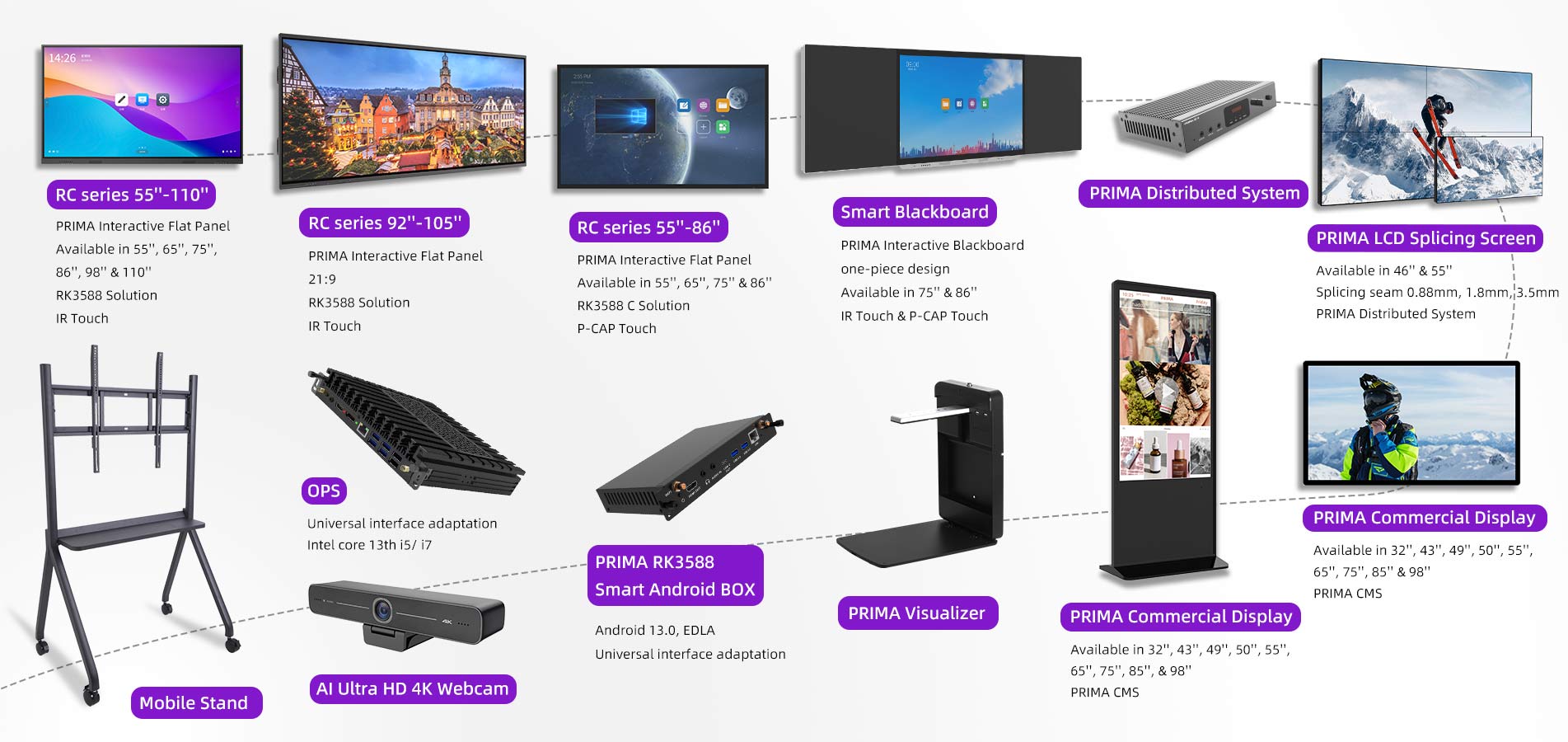
Commercial display products and solutions are widely used in modern society, enhancing the efficiency of business information dissemination and greatly enriching marketing tools. Here are some common commercial display products and their corresponding solutions:


Interactive Flat Panels:

  • Application Scenarios: Corporate meeting rooms, classrooms, design studios, etc.
  • Solutions: Enable handwriting notes, drawing, screen sharing, etc., fostering team collaboration and creative ideation. Supports multiple interfaces such as USB, HDMI, etc., for easy connection to various devices.


Digital Signage Systems:

  • Application Scenarios: Retail stores, hospitals, hotels, corporate lobbies, etc.
  • Solutions: High-definition screens display commercial information, advertisements, announcements, etc. Content management systems allow for remote uploading and scheduling of playback content, ensuring messages are up-to-date.


LCD Splicing Screens:

  • Application Scenarios: Large malls, public spaces, control rooms where large-scale display is needed.
  • Solutions: Multiple LCD screens are combined into a large display wall, seamlessly showing large images and videos. Suitable for advertising displays, real-time monitoring, etc.


LED Large Screen Displays

  • Application Scenarios: Outdoor advertising, sports venues, concerts, etc.
  • Solutions: High-brightness, large-size LED displays suitable for viewing at a distance and outdoor use. Customizable screen sizes and shapes, as well as high-resolution displays, are supported.


Interactive Touch Screens

  • Application Scenarios: Museums, exhibition halls, educational institutions, etc.
  • Solutions: Touch screen technology provides interactive access to information, enhancing user experience. Supports multi-touch, recognizing input from multiple users simultaneously, ideal for group interaction and learning.


Information Release Systems

  • Application Scenarios: Campus, airports, train stations, building elevator areas, etc.
  • Solutions: A centralized management platform is established for networked display devices to manage and distribute information, supporting video, pictures, text, and other formats.


Transparent OLED Display Screens

  • Application Scenarios: Window advertising, exhibition displays, high-end retail stores, etc.
  • Solutions: Utilizing transparent OLED technology, the screen can serve as a display medium without obstructing the view behind it, suitable for creative displays and advertising.


Virtual and Augmented Reality Displays

  • Application Scenarios: Real estate showcases, educational simulations, gaming entertainment, etc.
  • Solutions: Through VR and AR technologies, provide visual experiences beyond reality, used for product demonstrations, virtual tours, and more.


These commercial display products and solutions play a crucial role in improving the efficiency of information communication, enhancing customer interactive experience, and elevating the level of modernization in venues. Selecting appropriate display technology and customized solutions can greatly enhance the professionalism and customer satisfaction of a commercial environment.

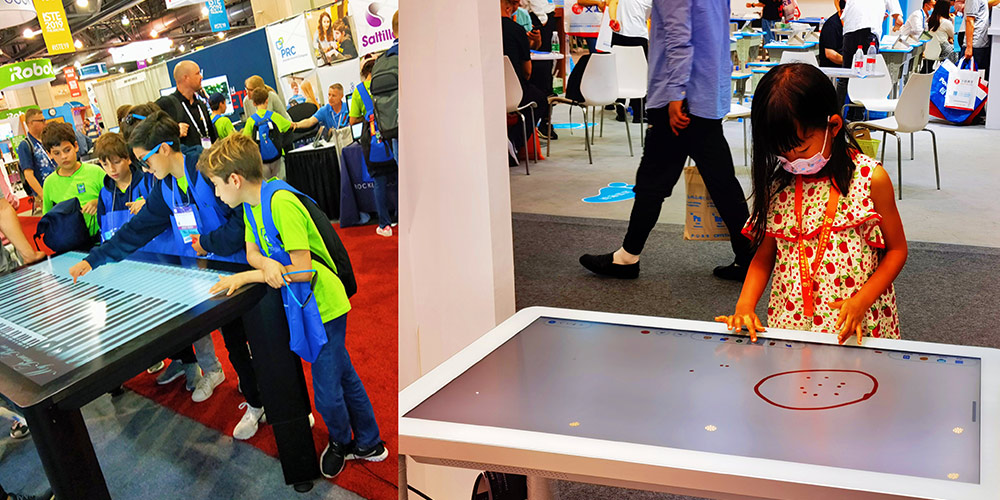
Interactive Touch Screen Tables have become increasingly popular in early childhood education, offering a multi-touch surface that allows multiple children to interact with digital content simultaneously. The products seamlessly integrate technology into play, normalizing its use in educational settings and preparing children for a tech-savvy world.


Interactive Touch Screen Tables


Enhancing Learning ExperiencesInteractive Touch Screen Tables make learning more engaging and fun for children. The ability to touch, drag, and manipulate digital objects directly with their hands encourages exploration and play-based learning, which is essential at this age.


Stimulating Curiosity: With Interactive Touch Screen Tables, children can zoom in on images, unlock information, and discover new concepts through games and puzzles that stimulate their natural curiosity and desire to learn about the world around them.


Promoting Collaboration: These tables encourage collaboration as multiple children can work together on a single activity, fostering social skills and teamwork. Children learn to share, communicate, and solve problems together.


Developing Fine Motor Skills: Interacting with the touchscreen helps children develop their fine motor skills as they use their fingers to tap, swipe, and pinch on the screen, which is important for writing and other tasks later on.


Encouraging Independent Learning: With interactive activities available on demand, children can explore and learn at their own pace, encouraging independent learning and self-directed play.


Improving Cognitive Abilities: Interactive table activities are designed to enhance cognitive abilities such as memory, problem-solving, and logical thinking through various educational games and challenges.


Teaching Digital Literacy: As children interact with digital content, they also develop an understanding of basic digital literacy skills, such as using apps, navigating menus, and understanding cause-and-effect relationships in a digital environment.


Adaptability for Inclusive Education: Interactive tables can be adapted for special needs education, providing accessible learning tools for children with disabilities or additional support needs.


Easy Integration into the Classroom: Interactive tables are designed to be easily integrated into existing classroom setups, complementing other teaching tools and methods without overwhelming the learning environment.


Interactive Touchscreen Tables


In summary, Interactive Touch Screen Tables offer a wealth of benefits in early childhood education, making learning more interactive, engaging, and accessible for young children while preparing them for a future where technology plays a central role.

CIQTEK at The Advanced Electron-Spin Resonance Spectroscopy

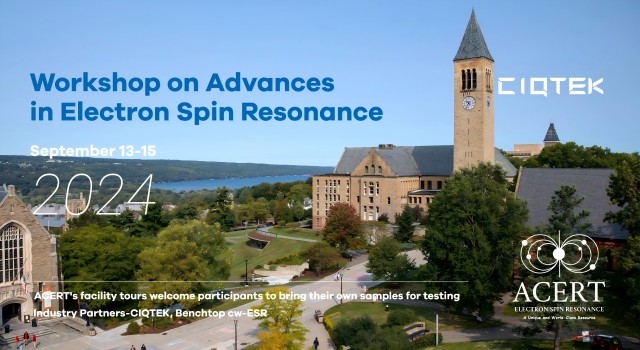
We are delighted to invite you to participate in the Workshop on Advances in Electron Spin Resonance, held from September 13 to 15, 2024. This workshop, organized by Cornell University, in collaboration with CIQTEK, will provide a platform for researchers, industry experts, and practitioners to exchange knowledge and discuss the latest advancements in Electron Spin Resonance (ESR) technology.


Key Highlights:


1. Cutting-edge Research:

Engage with leading scientists and researchers as they present their ground-breaking studies on ESR applications in various fields, including materials science, chemistry, and biology.


2. Industry Partners:

Connect with prominent industry partners CIQTEK, who will showcase their latest innovations in ESR technology, including the 

Benchtop EPR Spectroscopy | EPR200M. Take advantage of this opportunity to explore new possibilities and establish valuable industry collaborations.


3. Facility Tours:

ACERT's facilities will be open for tours throughout the workshop. Participants are encouraged to bring their own samples for testing using the available ESR equipment. Gain hands-on experience and witness the power of ESR techniques in material analysis and characterization.


Join us in this exciting workshop to delve into the world of Electron Spin Resonance and explore the myriad applications and advancements in this cutting-edge technology. Expand your network, exchange ideas, and discover new avenues for collaboration.


Recently, utilizing the StartUs Insights Discovery platform driven by big data and artificial intelligence, an analysis of over 1,500 startups and emerging companies was conducted, leading to the in-depth research and of the top ten technological trends in the laser industry for 2024. These trends include laser 3D printing, laser communication, high-power diodes, AR laser scanning, laser radar technology, intelligent lasers, quantum laser systems, micro lasers, hybrid lasers, and laser-guided processing. (Source: StartUs)

As the application of lasers continues to be developed, higher standards and demands are placed on high-power lasers. Fiber optic products that possess excellent high-temperature resistance, high flexibility, and durability are more suitable for future market development. Nanjing Hecho Technology adheres to a customer-centric approach, continuously optimizing production processes, providing customized services, meeting the demands of emerging markets, and growing together with our customers.