To determine if your roller shutter motor is dead, you can try the following steps:


Check the power source: Ensure that the motor is properly connected to a power source and that there is a steady supply of electricity. If the power source is not working, the motor will not be able to operate.


Test the remote control: If the remote control tubular motor is controlled by a remote control, check the batteries and try using a different remote control to make sure it's not the cause of the problem.


Check the motor fuse: If the motor fuse has blown, the motor will not be able to receive power and will not operate. Check the manual to determine the location of the fuse and replace it if necessary.


Check the wiring: Check the wiring that connects the motor to the control system and the power source to ensure that it's properly connected and not damaged.


Listen for any noise: If the motor is not working, listen for any noise that may indicate that it is receiving power but not functioning properly.


If the motor still does not work after checking these items, it may be dead and need to be replaced. In some cases, the motor may be repairable, but it's recommended to consult a professional for a proper diagnosis and repair.


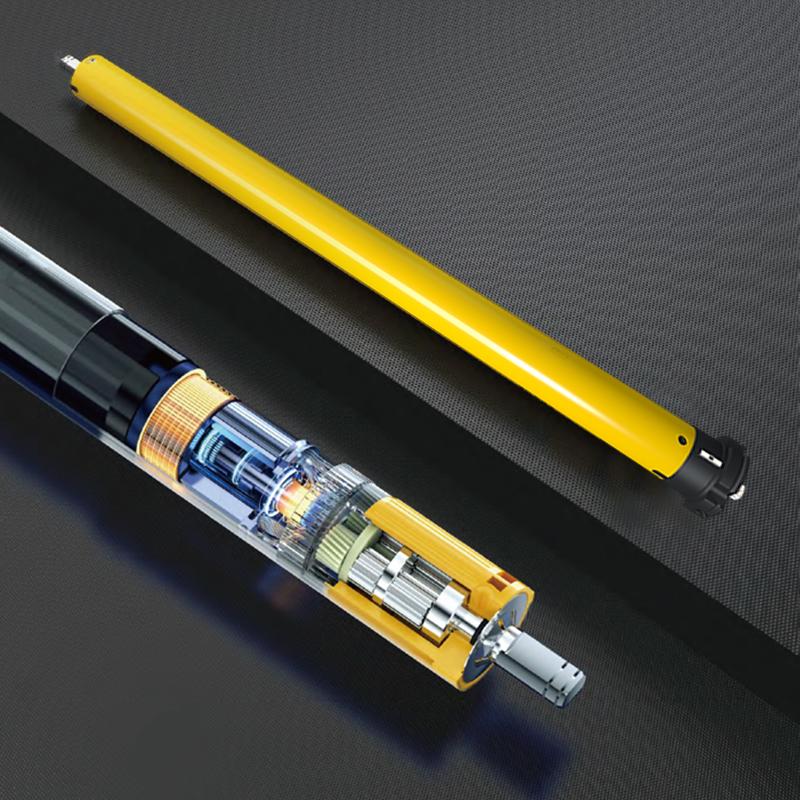
roller shutter motor


electric roller blind tubular motor

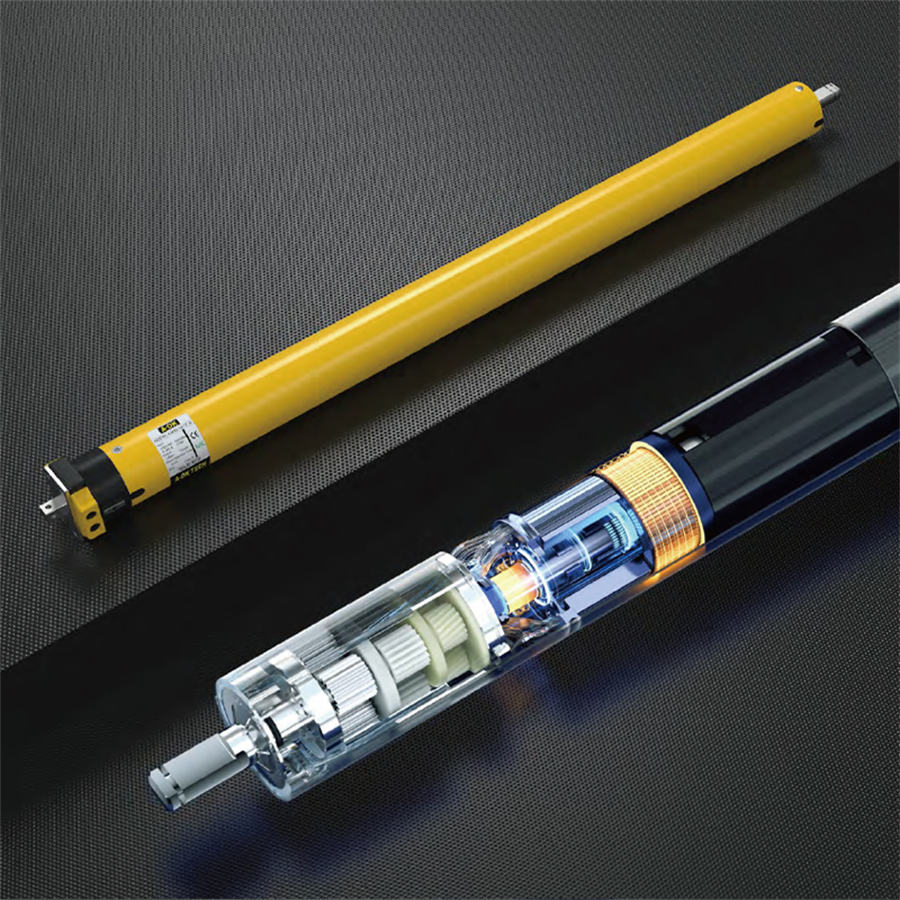
The electric roller blind tubular motor is a motor that can drive the roller blind fabric up and down. Its technical characteristics mainly include the following aspects:


1. Motor structure: The electric roller blind tubular motor adopts a cylindrical structure, and is equipped with components such as a motor, a reducer and a control circuit inside, which can realize precise control and roller blind operation.

2. Drive mode: The electric roller blind tubular motor is usually powered by DC power supply, which can realize forward and reverse rotation and speed adjustment through the control circuit, and can also support wireless remote control and APP remote control.

3. Low noise: The electric roller blind tubular motor adopts a precise reducer structure inside, which can effectively reduce noise and make the up and down of the roller blind fabric more stable and quiet.

4. Low power consumption: The electric roller blind tubular motor adopts high-efficiency motor and control circuit, which can achieve low power consumption, and can also achieve energy saving and environmental protection through functions such as sleep mode.

5. Safety: The electric roller blind tubular motor adopts a variety of safety protection measures, such as overload protection, temperature protection and prevention of curtain jamming, etc., which can ensure the safety and stability during use.

In general, the electric roller blind tubular motor has the characteristics of low noise, low power consumption, safety, reliability, and easy control, and is a relatively advanced curtain lifting device.

Do you often find yourself struggling to mount objects securely? Are you tired of using flimsy adhesives or weak magnets that fail to hold your items in place? Look no further, as we introduce you to the breakthrough innovation in mounting solutions – Strong Rubber Coated Magnets!

Strong Mounting Magnets: Unmatched Durability and Strength

When it comes to mounting objects, strength and durability are of utmost importance. That’s where Strong Mounting Magnets come into play. Designed with a rubber coating, these magnets provide enhanced protection while ensuring a strong and reliable hold. Whether you need to mount signs, tools, or decorative fixtures, these magnets are up for the job.

Rubber Coated Magnets with M6 Threaded Studs: Versatile and Secure

Are you seeking versatility in your mounting solutions? Look no further than Rubber Coated Magnets with M6 Threaded Studs. These ingenious magnets offer a unique twist by combining the strength of rubber-coated magnets with the convenience of M6 threaded studs. Now you can easily attach various objects with screw-like precision, providing you with additional flexibility for your mounting needs.

D43 Rubber Coated Magnets: Efficiency and Resilience in a Compact Size

Sometimes, limited space can pose a challenge when it comes to mounting objects. That’s where D43 Rubber Coated Magnets come to the rescue. With their compact size, these magnets offer efficiency while delivering exceptional holding power. Whether you need to mount small tools or decorative items, these magnets are designed to make the most of your available space, ensuring a secure and reliable hold.

D43 Strong Mounting Magnets: Compact and Mighty

Looking for power in a small package? D43 Strong Mounting Magnets provide just that. With their compact size and impressive strength, these magnets pack a punch when it comes to mounting objects securely. Say goodbye to bulky mounting options and hello to the perfect combination of strength and size.

In conclusion, the introduction of Strong Rubber Coated Magnets, Strong Mounting Magnets, Rubber Coated Magnets with M6 Threaded Studs, D43 Rubber Coated Magnets, and D43 Strong Mounting Magnets has revolutionized the world of mounting solutions. These innovative magnets offer durability, versatility, and compactness, providing a reliable and efficient way to mount objects in various settings.

Whether you need to secure signs, tools, or decorative fixtures, these magnets provide the strength and convenience you require. Say goodbye to unreliable adhesives and weak magnets, and say hello to the future of mounting – Strong Rubber Coated Magnets and their remarkable variations. Upgrade your mounting game today and experience the power of these game-changing magnets!

Drones have become an integral part of our lives, whether for recreational purposes or professional applications. With their increased popularity, enthusiasts are constantly seeking new ways to push the boundaries of drone technology. One area that has gained significant interest is drone navigation deception, which involves manipulating the drone’s flight path to confuse or deceive others. If you’re an aspiring drone pilot looking to master this intriguing skill, you’ve come to the right place. In this article, we’ll dive into the world of drone navigation deception and provide you with invaluable tips and tricks to enhance your capabilities.

1. Master the Basics

Before delving into deception techniques, it’s crucial to have a strong foundation in drone piloting. Familiarize yourself with your drone’s controls, practice flight maneuvers, and understand the limitations of your device. Becoming a skilled pilot will serve as a solid framework for executing navigation deception effectively and safely.

2. Use Obstacle Avoidance Features

Most modern drones come equipped with obstacle avoidance technology, which uses sensors to detect objects in the surroundings. Leveraging this feature during deception maneuvers will ensure that your drone doesn’t collide with unintended objects or areas. Remember, safety should always be your top priority.

3. Employ Waypoint Navigation

Waypoint navigation is a powerful tool for executing complex flight paths with precision. By setting specific GPS coordinates, you can instruct your drone to follow a predetermined route. Utilizing this capability, you can create intricate flight patterns that will add an extra layer of confusion to observers.

4. Execute Mid-Air Tricks

Adding a touch of flair to your drone deception can captivate audiences and enhance the overall experience. Learn mid-air tricks like flips, loops, and barrel rolls to mesmerize your onlookers. These maneuvers are not only visually impressive but also effective in diverting attention from your intended flight path.

5. Embrace Night Flying

Nighttime drone flights offer a unique advantage for navigation deception enthusiasts. Dim lighting conditions can obscure the drone’s position, making it harder for observers to discern its true direction of travel. However, make sure to adhere to local laws and regulations regarding nighttime operations.

6. Incorporate Ground-Based Props

To enhance the illusion of drone navigation deception, consider adding ground-based props or obstacles. This could include strategically placed markers, smoke machines, or even special effects to create a more convincing display. Experiment with various props to achieve the desired effect and amaze your audience.

7. Practice, Practice, Practice

Becoming proficient in drone navigation deception requires dedication and practice. Fine-tune your techniques, experiment with different flight paths, and analyze the results to refine your skills. Regular practice sessions will allow you to fully explore the possibilities and unlock your creativity.

Remember, while drone navigation deception can be thrilling, it’s crucial to always prioritize safety and adhere to local regulations. By following these tips and tricks, you’ll be well on your way to mastering the art of drone navigation deception. So, spread your wings (or rather, propellers) and let your creativity soar!

(Word count: 11)

Digital signage has become an indispensable part of advertising and information dissemination in various industries. As technology continues to evolve, so does the need for robust and functional enclosures to protect and enhance these sophisticated displays. In recent years, the introduction of aluminum digital signage housing has revolutionized the way businesses present their content to the world.

What is Aluminum Digital Signage Housing?

Aluminum digital signage housing refers to the use of high-quality aluminum as the material for enclosures designed to house LCD advertising displays. This innovative solution offers numerous benefits compared to traditional housing options.

Why Choose Aluminum?

Durability and Protection

Aluminum is renowned for its exceptional strength-to-weight ratio. Its corrosion-resistant properties make it ideal for outdoor applications, allowing advertising displays to withstand various weather conditions. With aluminum housing, businesses can have peace of mind knowing that their screens are protected from moisture, dust, and accidental impacts.

Aesthetics and Sleek Design

In addition to its practicality, aluminum housing offers a sleek and modern appearance that enhances the overall aesthetic of digital signage. The clean lines and metallic finish of aluminum complement the high-resolution screens, creating an attractive and attention-grabbing display.

Heat Dissipation

Heat can negatively impact the performance and lifespan of LCD screens. Fortunately, aluminum’s excellent thermal conductivity allows for efficient heat dissipation, preventing overheating and ensuring optimal functionality even during prolonged usage.

Customization and Flexibility

Aluminum signage housing can be customized to suit any specific requirements. Whether it’s a freestanding kiosk, wall-mounted display, or interactive touch screen, aluminum enclosures offer flexibility in design, size, and functionality. Businesses can easily incorporate their branding elements or customize the housing to match the surrounding environment.

Easy Maintenance and Accessibility

With aluminum housing, maintenance is hassle-free. The simple yet secure design enables easy access to the digital signage components for updates, repairs, or content adjustments. This reduces downtime and ensures uninterrupted operation of advertising displays.

Bringing Digital Signage to New Heights

The introduction of aluminum digital signage housing has elevated the advertising experience by providing a sturdy, visually appealing, and adaptable solution. Businesses across various sectors, including retail, hospitality, transportation, and corporate offices, can benefit from these enclosures to captivate audiences and drive engagement.

By investing in aluminum housing for LCD advertising displays, businesses can effectively enhance their brand image, improve customer experience, and provide valuable information to their target audience. As the demand for digital signage continues to rise, so does the need for reliable housing options that can safeguard and maximize the potential of these powerful communication tools.

In conclusion, the introduction of aluminum digital signage housing has emerged as a game-changer in the world of advertising displays. Its durability, sleek design, heat dissipation properties, and customization options make it the ideal choice for businesses looking to create impactful digital signage solutions. As technology advances, it’s exciting to anticipate how aluminum housing will continue to evolve and enhance the digital advertising landscape.

We’re thrilled to unveil our new demo lab at Loughborough University’s LMCC by SciMed, featuring the cutting-edge CIQTEK SEM3200 Scanning Electron Microscope.


The CIQTEK SEM3200 is a high-performance tungsten filament scanning electron microscope, designed for those who demand excellence in imaging. It delivers exceptional image quality with high-resolution visuals and an expansive depth of field, ensuring rich detail and dimension in every image.


SEM3200 also offers a low vacuum mode, allowing for the direct observation of non-conductive samples without the need for coating. Its extended scalability makes it compatible with various detectors and tools, including SE, BSE, EDS, and EBSD.


For scientists, the SEM3200 provides numerous benefits:

· High-resolution imaging: Achieve stunning clarity and detail.

· Versatility: Flexible sample positioning with a five-axis eucentric stage.

· Scalability: Seamlessly integrate additional detectors and analytical tools to extend functionality.

· User-friendly interface: Simplifies complex imaging tasks, enhancing productivity and research outcomes.


These features empower researchers to push the boundaries of their work, from material science to biological studies.

Abstract:

Titanium dioxide, widely known as titanium white, is an important white inorganic pigment extensively used in various industries such as coatings, plastics, rubber, papermaking, inks, and fibers. Studies have shown that the physical and chemical properties of titanium dioxide, such as photocatalytic performance, hiding power, and dispersibility, are closely related to its specific surface area and pore structure.


Using static gas adsorption techniques for precise characterization of parameters like specific surface area and pore size distribution of titanium dioxide can be employed to evaluate its quality and optimize its performance in specific applications, thereby further enhancing its effectiveness in various fields.


About Titanium Dioxide:

Titanium dioxide is a vital white inorganic pigment primarily composed of titanium dioxide. Parameters such as color, particle size, specific surface area, dispersibility, and weather resistance determine the performance of titanium dioxide in different applications, with specific surface area being one of the key parameters. Specific surface area and pore size characterization help understand the dispersibility of titanium dioxide, thereby optimizing its performance in applications such as coatings and plastics. Titanium dioxide with a high specific surface area typically exhibits stronger hiding power and tinting strength.


In addition, research has indicated that when titanium dioxide is used as catalyst support, a larger pore size can enhance the dispersion of active components and improve the overall catalytic activity, while a smaller pore size increases the density of active sites, aiding in improving reaction efficiency. Hence, by regulating the pore structure of titanium dioxide, its performance as a catalyst support can be improved.


In summary, the characterization of specific surface area and pore size distribution not only aids in evaluating and optimizing the performance of titanium dioxide in various applications but also serves as an important means of quality control in the production process. Precise characterization of titanium dioxide enables a better understanding and utilization of its unique properties to meet the requirements in different application fields.


Application Examples of Gas Adsorption Techniques in Titanium Dioxide Characterization:


1. Characterization of Specific Surface Area and Pore Size Distribution of Titanium Dioxide for DeNOx Catalysts


Selective catalytic reduction (SCR) is one of the commonly applied and researched flue gas denitrification technologies. Catalysts play a crucial role in SCR technology, as their performance directly affects the efficiency of nitrogen oxide removal. Titanium dioxide serves as the carrier material for DeNOx catalysts, primarily providing mechanical support and erosion resistance to active components and catalytic additives, along with increasing the reaction surface area and providing suitable pore structures.


Here is an example of the characterization of titanium dioxide used as a carrier material for DeNOx catalysts using the CIQTEK V-3220&3210 series BET Surface Area & Porosimetry Analyzer. As shown in Figure 1 (Left), the specific surface area of the titanium dioxide used in the DeNOx catalyst is 96.18 m2/g, indicating a larger surface area that provides more active sites as a carrier material, thus enhancing the efficiency of the DeNOx catalytic reactions. The N2 adsorption-desorption isotherm (Figure 1, right) reveals the predominant presence of a type IV isotherm.


Utilizing the BJH model for mesopore size distribution analysis (Figure 2, Left), a concentrated mesopore distribution at 9.50 nm is observed. The SF pore size distribution plot (Figure 2, Right) shows the most probable micropore width of the sample to be 0.44 nm. Studying the effect of specific surface area and pore size distribution on DeNOx catalysts allows the optimization of catalyst design and DeNOx processes, improving nitrogen oxides' removal efficiency.
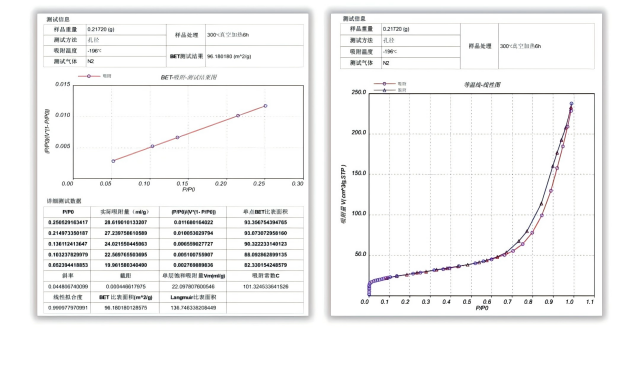
 Specific surface area test results (left) and N2 adsorption-desorption isotherm (right) of titanium dioxide used for DeNOx catalysts.

Figure 1. Specific surface area test results (Left) and

N2 adsorption-desorption isotherm (Right) of titanium dioxide used for DeNOx catalysts.
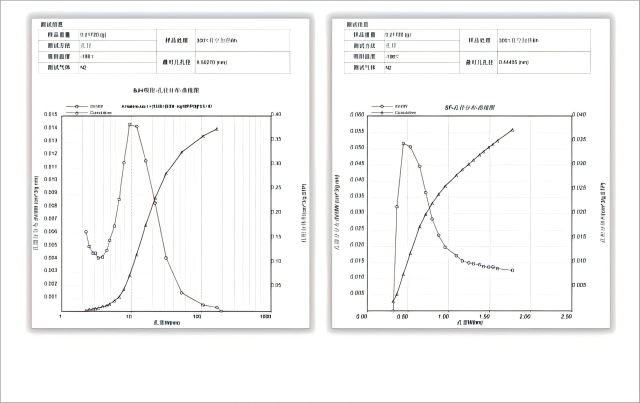
 

BJH pore size distribution plot (left) and SF pore size distribution plot (right) of titanium dioxide used for DeNOx catalysts.

Figure 2. BJH pore size distribution plot (Left) and

SF pore size distribution plot (Right) of titanium dioxide used for DeNOx catalysts.


2. Characterization of Specific Surface Area and Pore Size Distribution of General Titanium Dioxide


By adjusting and controlling the specific surface area and pore size distribution of titanium dioxide for different applications, the performance and effectiveness of titanium dioxide can be assessed and improved. For example, in the coatings and plastics industries, specific surface area and pore size analysis help optimize the dispersibility and light scattering ability of titanium dioxide, ensuring uniformity and durability of coatings and improving the mechanical properties and weather resistance of plastic products. Furthermore, it provides an important means of quality control in the production process to ensure product consistency.


The CIQTEK V-3220&3210 series BET Surface Area & Porosimetry Analyzer is utilized for the characterization of specific surface area and pore size distribution of titanium dioxide. As shown in Figure 3 (Left), the specific surface area of the titanium dioxide sample is determined to be 18.91 m2/g using the multi-point BET equation. Further analysis of the N2 adsorption-desorption isotherm (Figure 3, Right) reveals a type II isotherm.


By performing NLDFT total pore size distribution analysis (Figure 4), the total pore volume of the titanium dioxide is determined to be 0.066 cm3/g, with micropores accounting for 9.66% and mesopores accounting for 69.72%. In-depth studies on the specific surface area, pore size distribution, pore volume, and their influencing factors provide valuable references for applications and performance optimization of titanium dioxide, thereby meeting the demands for high-performance titanium dioxide in different industries.
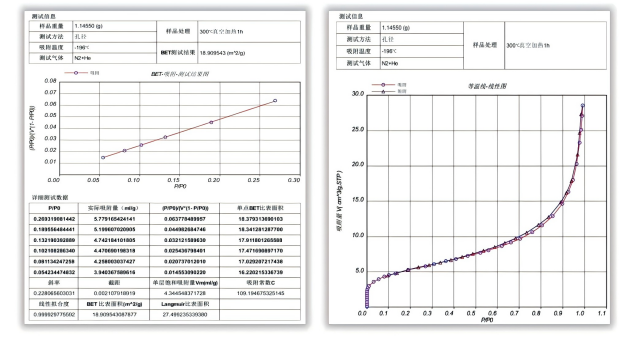
 Specific surface area test results (left) and N2 adsorption-desorption isotherm (right) of a titanium dioxide sample.

Figure 3. Specific surface area test results (Left) and N2 adsorption-desorption isotherm (Right) of a titanium dioxide sample.
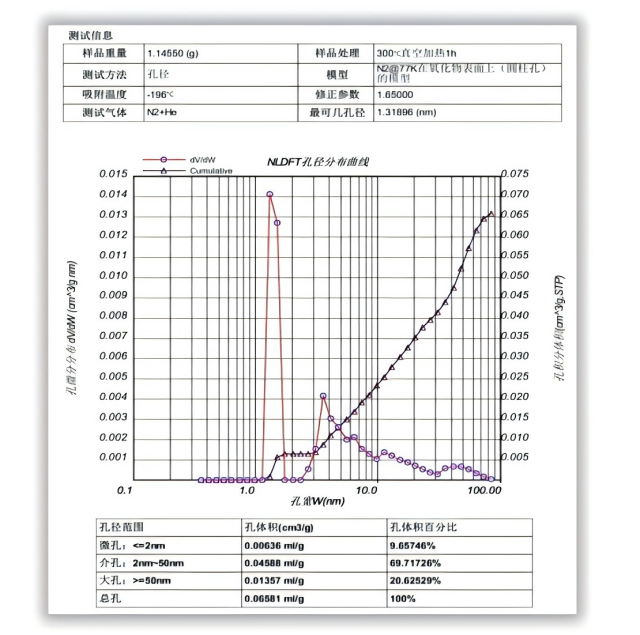
NLDFT pore size distribution plot of a titanium dioxide sample
Figure 4. NLDFT pore size distribution plot of a titanium dioxide sample
 

Introducing the Brand New In Stock

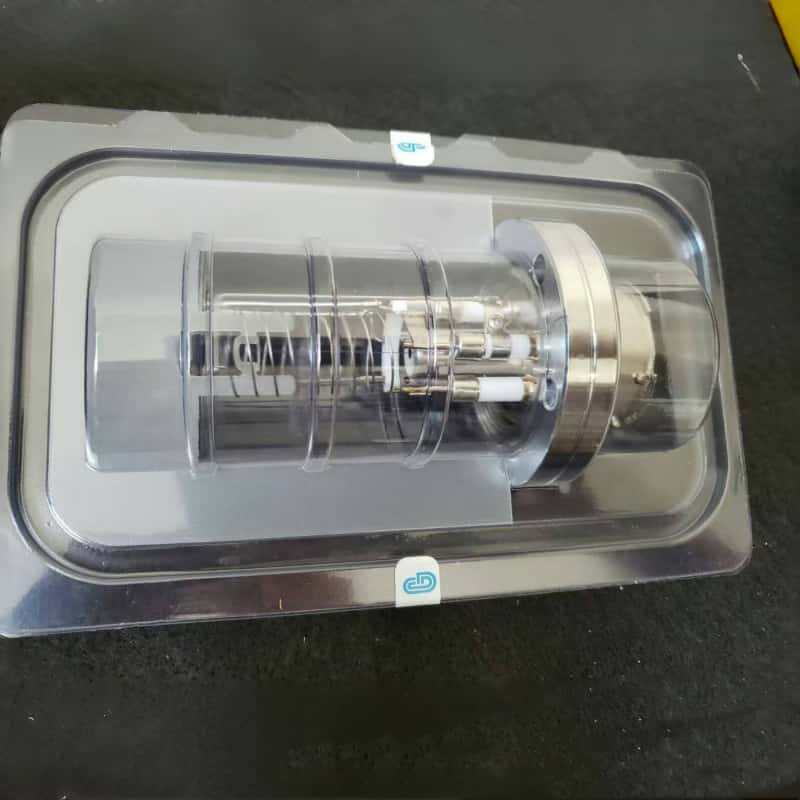
LAM 685-166841-001 MDL ELEC DETECTOR WF6 IREPD ALTUS CE


Discover the latest addition to our inventory - the brand new LAM 685-166841-001 MDL ELEC DETECTOR WF6 IREPD ALTUS CE. With the manufacturer warranty and a limited quantity available, secure your order today!

At SEMI LANXI, we are delighted to introduce the highly sought-after LAM 685-166841-001 MDL ELEC DETECTOR WF6 IREPD ALTUS CE, proudly manufactured by LAM RESEARCH. This exceptional device is in brand new condition and is backed by a 30-day warranty post-shipment. We are excited to offer this product, and we currently have one set in stock and ready to be shipped to your doorstep. If you have any queries or need further information, feel free to contact our expert team member, Alex, at alex@semilanxi.com


LAM 685-166841-001 IN STOCK

  • LAM RESEARCH: A Name Synonymous with Quality and Reliability:

As a leading name in the semiconductor industry, LAM RESEARCH has established its reputation as a trusted manufacturer of cutting-edge equipment. The LAM 685-166841-001 MDL ELEC DETECTOR WF6 IREPD ALTUS CE is a testament to the company's commitment to innovation, precision, and superior engineering. By choosing a LAM product, you're investing in a reliable solution that meets the highest industry standards.

  • Top Features of the LAM 685-166841-001 MDL ELEC DETECTOR WF6 IREPD ALTUS CE:
  1. Enhanced Precision: The LAM 685-166841-001 MDL ELEC DETECTOR WF6 IREPD ALTUS CE guarantees accurate detection of electronic signals, offering high precision in even the most demanding environments.
  2. Versatile Functionality: Designed with flexibility in mind, this product is capable of detecting WF6 gas in various semiconductor applications. Its adaptable nature ensures seamless integration into existing workflows.
  3. Quality Construction: Crafted with robust materials and built to withstand rigorous usage, the LAM 685-166841-001 MDL ELEC DETECTOR WF6 IREPD ALTUS CE is engineered to deliver uncompromising performance over an extended lifespan.
  4. Easy Integration: Designed to streamline processes, this device offers straightforward integration with existing systems, eliminating any potential compatibility concerns.


Order Now and Secure Your Investment:
Given the limited availability of the LAM 685-166841-001 MDL ELEC DETECTOR WF6 IREPD ALTUS CE, we encourage you to secure your order promptly. Our product is fully backed by a manufacturer's warranty for 30 days from the date of shipment, providing you peace of mind regarding its quality and performance.

To initiate your purchase or seek additional information, please don't hesitate to contact our dedicated team member, Alex, at alex@semilanxi.com. Alex is here to address any questions or concerns you may have, ensuring your buying experience is both seamless and satisfactory.


For those in search of a brand new LAM 685-166841-001 MDL ELEC DETECTOR WF6 IREPD ALTUS CE, this is an opportunity not to be missed. With its exceptional features and the renowned LAM RESEARCH name, this device promises to elevate your semiconductor processes to new levels of efficiency and accuracy. Don't miss out—reach out to our team member Alex today to secure your order and take advantage of this offering.


With the continuous advancements in technology, the demand for reliable electronic components has steadily increased. One such component that has gained significant attention is thick-film ceramics. These materials play a crucial role in the fabrication of electronic devices due to their excellent thermal conductivity, electrical insulation properties, and high mechanical strength.

In this article, we’ll specifically focus on thick-film Aluminum Nitride (AlN) ceramics and why they are considered a promising choice for various applications. Let’s delve into the unique characteristics that make AlN thick-film ceramics stand out from the rest.

  1. Exceptional Thermal Conductivity:

AlN thick-film ceramics possess remarkable thermal conductivity properties, surpassing other common ceramic materials. This attribute makes them highly desirable for applications where efficient heat dissipation is essential, such as power electronics, heat sinks, and thermal management systems.

  1. Excellent Electrical Insulation:

Another key advantage of AlN thick-film ceramics lies in their outstanding electrical insulation properties. These materials exhibit high breakdown voltage and low dielectric loss, making them ideal for applications in the electronics industry, including semiconductor packaging, microwave devices, integrated circuit substrates, and high-frequency power modules.

  1. Wide Frequency Range:

AlN thick-film ceramics exhibit superior performance across a wide frequency range. This characteristic makes them suitable for applications involving high-speed data transmission, wireless communication systems, and frequency control devices. The stability and reliability of AlN thick-film ceramics in these applications are highly valued.

  1. Compatibility with Semiconductor Processing:

AlN thick-film ceramics are compatible with standard semiconductor processing techniques, such as photolithography, screen printing, and sintering. This advantage allows for precise patterning and integration with other components, facilitating the production of complex electronic devices.

  1. High Mechanical Strength:

With their unique combination of thermal and mechanical properties, AlN thick-film ceramics offer exceptional mechanical strength. This strength ensures the longevity and durability of electronic components, making them highly resistant to mechanical stress, thermal cycling, and vibration.

In conclusion, Aluminum Nitride (AlN) thick-film ceramics provide a compelling solution for various applications in the electronics industry. With their exceptional thermal conductivity, electrical insulation, wide frequency range, compatibility with semiconductor processing techniques, and high mechanical strength, AlN thick-film ceramics offer a promising choice for the fabrication of reliable and efficient electronic devices.

So, whether you’re designing advanced power electronics or working on cutting-edge communication systems, consider exploring the potential of AlN thick-film ceramics to take your innovations to new heights.